Metal Roofing vs. Asphalt Shingles for Haliburton Cottages: Cost, Durability and Maintenance
For a Haliburton cottage, metal typically costs two to three times more upfront than asphalt and lasts two to three times longer, so the lifetime cost lands in a similar place. The real decision is about how the building is used. Metal sheds snow and needs almost nothing from you, which suits a property sitting empty all winter. Asphalt remains the sensible choice for shorter ownership horizons, complicated roof shapes, and tighter budgets — and no roof covering fixes bad ventilation.
Metal roofing costs roughly two to three times more than asphalt shingles upfront but lasts 40 to 60 years against 15 to 25 for asphalt in this climate. For Haliburton cottages, metal's main advantage is shedding snow from a building nobody is visiting in February. Asphalt still suits shorter ownership plans and complex rooflines.
QUICK ANSWER
If you plan to keep the place for decades and it sits empty through winter, metal usually wins. If you might sell within ten years or the roof has a lot of valleys and dormers, asphalt is a perfectly sound choice.
Key Takeaways
- Lifetime cost between the two is closer than the quotes suggest.
- Snow shedding is metal's biggest practical advantage on an unoccupied cottage.
- Metal needs snow guards above doors, decks, and propane tanks.
- Ventilation and insulation cause ice dams, not the roof covering.
Ask two contractors in this county which roof a cottage should have and you may well get two confident, opposite answers. Both can be right, because the correct choice depends less on the materials than on how the building is used.
What follows is the comparison as it actually applies up here — deep snow, hard freeze-thaw cycles, heavy tree cover, and buildings that spend months unvisited. We install metal roofing and we think it suits most cottages, but not all of them, and this article says so where it applies.
Start With Ventilation, Not Material
This is the part that gets skipped, and it costs people more than the choice of covering ever does.
Ice dams form when heat escaping from inside melts snow on the upper roof, the meltwater runs down to the cold eave, and it refreezes. That is a problem of insulation and airflow in the roof assembly. Put a beautiful metal roof over a poorly ventilated attic and you will still get ice dams — they will just slide off more dramatically.
Before comparing quotes, ask what each contractor proposes for intake and exhaust ventilation, and what happens at the eaves. A contractor who only wants to talk about the covering is answering half the question.
Cost: Upfront Versus Lifetime
Metal generally runs two to three times the installed cost of asphalt shingles for a comparable roof. That gap narrows on simple gable roofs and widens on complicated ones with multiple valleys, dormers, and skylights, where metal takes considerably more flashing work.
Costs in general have kept rising: Statistics Canada recorded residential building construction costs up 0.5% in the second quarter of 2026, following a 0.7% increase in the first quarter, in its Building Construction Price Index. Waiting a season rarely saves money.
The lifetime arithmetic is where it gets interesting. If asphalt lasts 20 years here and metal lasts 50, you are replacing asphalt two or three times over the life of one metal roof — each time at future prices, and each time with the disruption of getting crews and materials up a cottage road.
Durability in Haliburton Conditions
Snow load
Haliburton County carries one of the heavier ground snow loads in southern Ontario, and the design value for your specific property comes from the climatic data in the Ontario Building Code. Metal sheds snow rather than holding it, which reduces accumulated load on the structure — a genuine advantage on an older cottage whose framing was never engineered for today's requirements.
Freeze and thaw
Repeated freezing and thawing is hard on asphalt. Granules loosen, edges curl, and the shingle becomes brittle. Metal is largely indifferent to it, though the fasteners and sealants at penetrations are not — which is what the maintenance section below is about.
Trees and shade
Most cottage roofs here sit under canopy. Constant shade and damp encourage moss and lichen on asphalt, which shortens its life considerably. Falling branches are a risk to both, though metal dents where asphalt tears.
Fire
Metal is non-combustible, which is worth weighing on a treed lot some distance from a fire hall. Some insurers take roof material into account; it is worth a call to your broker before you decide.
Maintenance: What Each Actually Needs
Metal
- Periodic inspection of exposed fasteners and sealant at penetrations
- Clearing debris from valleys, particularly under heavy canopy
- Occasional touch-up where a branch has scratched the finish
Asphalt
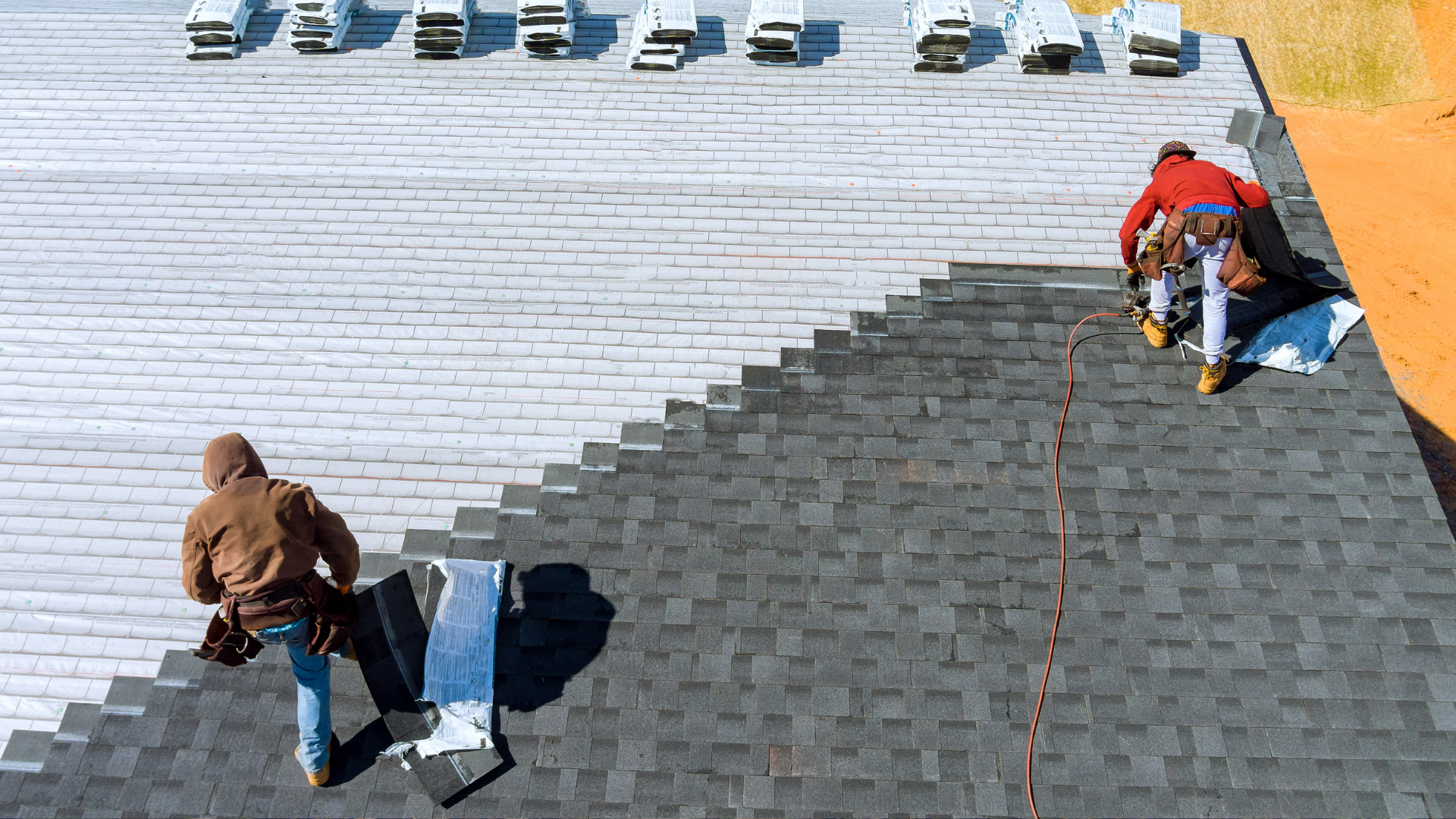
- Watching for lifted, curled, or missing shingles after wind events
- Moss and lichen treatment on shaded slopes
- More frequent attention at flashings and valleys as the roof ages
Neither is maintenance-free. The difference is that metal tolerates being ignored for longer, which matters when the building is a four-hour round trip away.
The Cottage-Specific Factors
Snow guards are not optional
A metal roof shedding a winter's snow in one go is genuinely dangerous. Snow guards belong above every doorway, deck, walkway, and propane tank. Any quote for metal on an occupied building that does not mention them is incomplete.
Nobody is there to notice
A shingle that lifts in a January windstorm at an empty cottage leaks until someone visits. This is the strongest practical argument for metal on a seasonal property — fewer components that fail quietly.
Access and scheduling
Getting crews and material to a cottage road, sometimes across water, adds cost and constrains the season. It is another reason the roof you install less often is worth something.
The noise question
Metal over solid sheathing with proper underlay is not appreciably louder than asphalt in rain. The reputation comes from bare metal over strapping on old barns and sheds, which is a different assembly entirely.
Side by Side
| Factor | Metal | Asphalt shingles |
|---|---|---|
| Upfront cost | Roughly 2–3× asphalt | Lowest upfront |
| Expected life here | 40–60 years | 15–25 years |
| Snow behaviour | Sheds; needs snow guards | Holds snow on the roof |
| Maintenance | Fasteners, sealant, debris | Moss, wind damage, flashings |
| Complex rooflines | More flashing, higher cost | Easier and cheaper to detail |
| Fire resistance | Non-combustible | Varies by product rating |
| Repairs | Panel-level, more involved | Simple, shingle by shingle |
| End of life | Recyclable | Usually landfill |
When Asphalt Is Still the Right Call
We install metal, so take this in the spirit intended: it is not always the answer.
- You expect to sell within about ten years and want the lower upfront cost
- The roof has many valleys, dormers, and penetrations, where metal costs escalate
- The budget is genuinely tight and the alternative is deferring the work — a failing roof causes far more damage than the wrong choice of covering
- The structure has issues that should be addressed before investing in a fifty-year roof
Frequently Asked Questions
Do I need a permit to demolish a building in Ontario?
In most cases yes. Demolition permits are issued by your local municipality under Ontario's Building Code framework, and requirements differ slightly between townships. Contact your municipal building department early, since permit timing often determines when work can actually start.
Who is responsible for checking for asbestos before demolition?
The property owner. Ontario health and safety legislation requires owners to determine whether designated substances such as asbestos are present before a project begins, and to share that information with contractors bidding on the work. Buildings from the 1980s and earlier are the most likely to contain it.
Why are demolition quotes so different from each other?
Because they cover different scopes. Foundation removal, disposal and tipping fees, backfill, and grading are the items most often excluded from a low quote. Ask every contractor to itemize the same list so you are comparing the same job.
What is a WSIB clearance certificate and why does it matter?
It confirms a contractor's workplace insurance account is in good standing. If a contractor is not compliant and someone is injured on your property, you may be exposed. Certificates are straightforward to request and can be verified directly with the WSIB.
What happens to a septic system when a building is demolished?
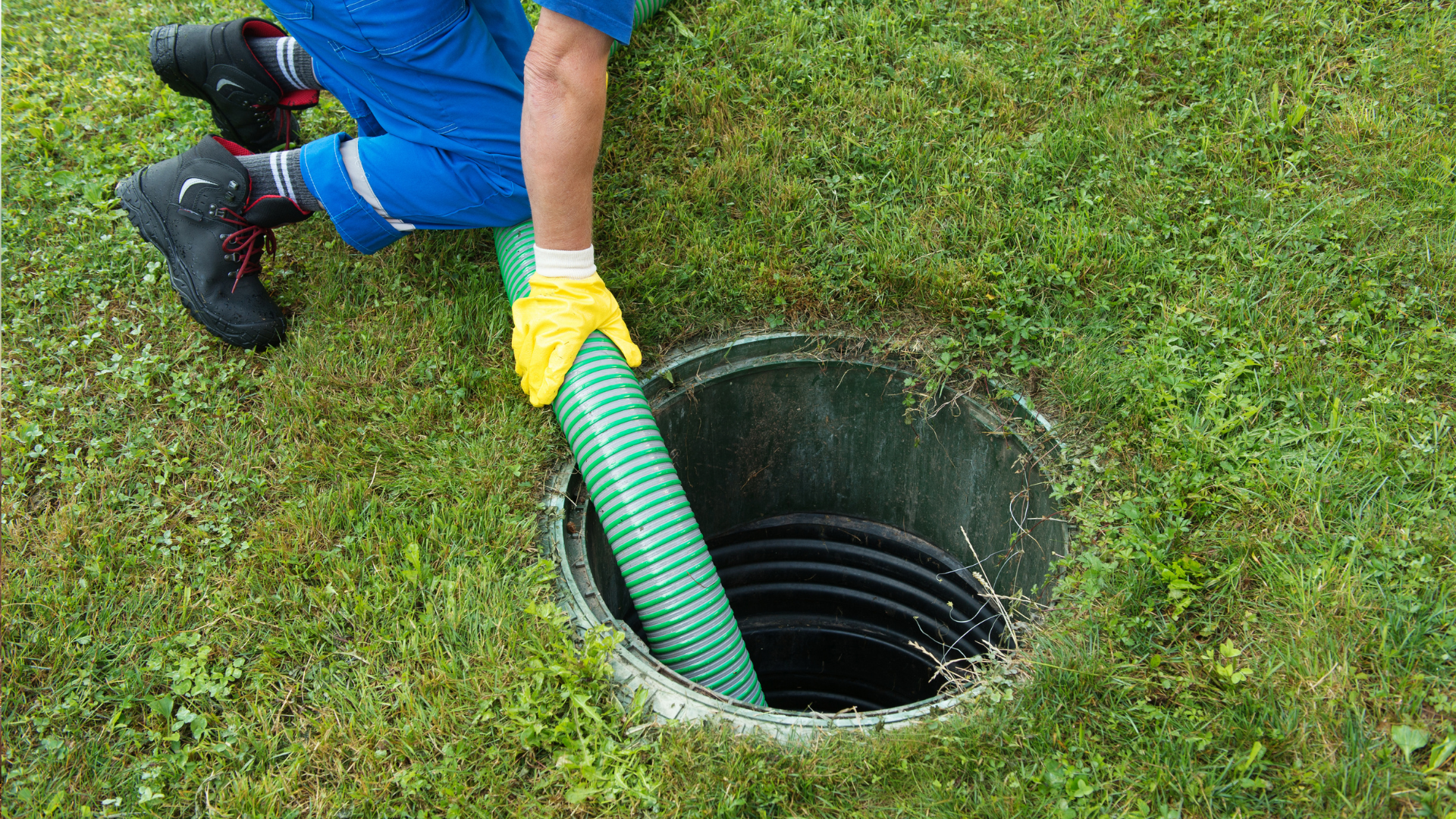
It cannot be left as is. Abandoned tanks generally need to be pumped and either removed or filled to prevent collapse, and unused wells have their own decommissioning requirements. Confirm who is handling this and that it is written into the quote.
How long does a residential demolition take?
The machine work on a typical cottage or outbuilding is often a matter of days. The timeline is usually set by everything around it — permits, utility disconnections, locates, and any hazardous material handling — which is why starting the paperwork early matters more than the demolition itself.
About Country Contracting
Country Contracting and Construction has served Haliburton County for over a decade from our base on Highway 35 in Minden. We are a registered business, fully insured, and WSIB compliant, and we work across demolition, excavating, septic installation, metal roofing, siding, decks, and lot clearing.
We serve Minden, Haliburton, Dorset, Carnarvon, and the surrounding lakes and townships.
Talk It Through Before You Decide
The right roof depends on how long you plan to own the place, how the building is used in winter, and what shape the structure underneath is in. That is a conversation, not a price list.
For a look at your roof and a written quote, see our metal roofing page or call 705-457-6411.
Disclaimer: This content is for general informational purposes only. Roofing costs, lifespan, ventilation, snow-management needs, and installation requirements vary by property, roof design, product, and municipality. Consult a qualified, insured roofing contractor for a site-specific inspection and confirm local building-code requirements before making a roofing decision.