9 Ways Demolition Services Help Speed Up Construction Projects
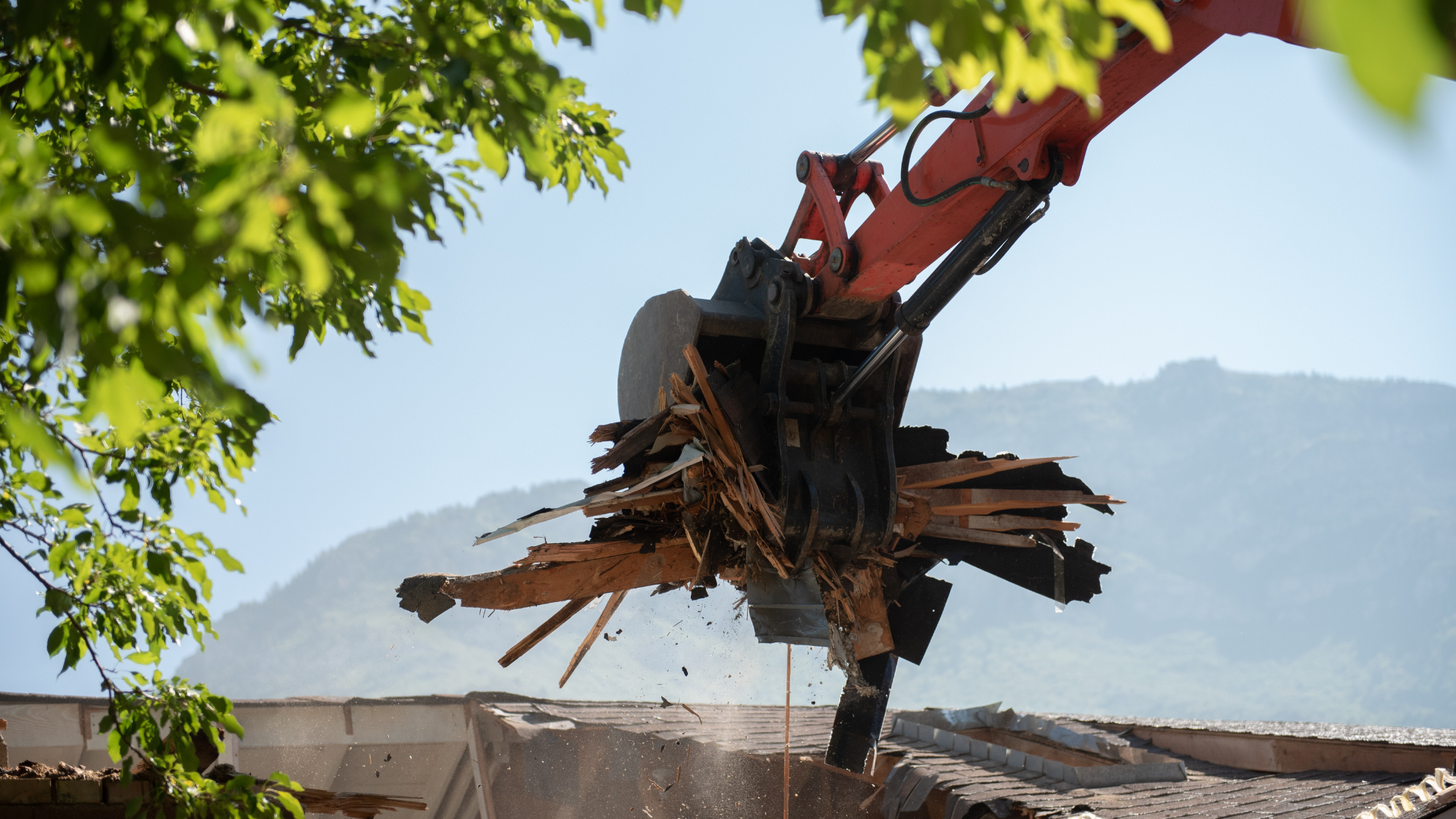
Professional demolition services speed up construction projects by clearing sites efficiently, eliminating structural hazards before new work begins, handling material disposal and recycling, and coordinating seamlessly with excavation and build phases. In Haliburton's cottage country environment — where short construction seasons, remote access, and Canadian Shield terrain add complexity — experienced demolition contractors keep timelines tight and projects on track from day one.
Key Takeaways
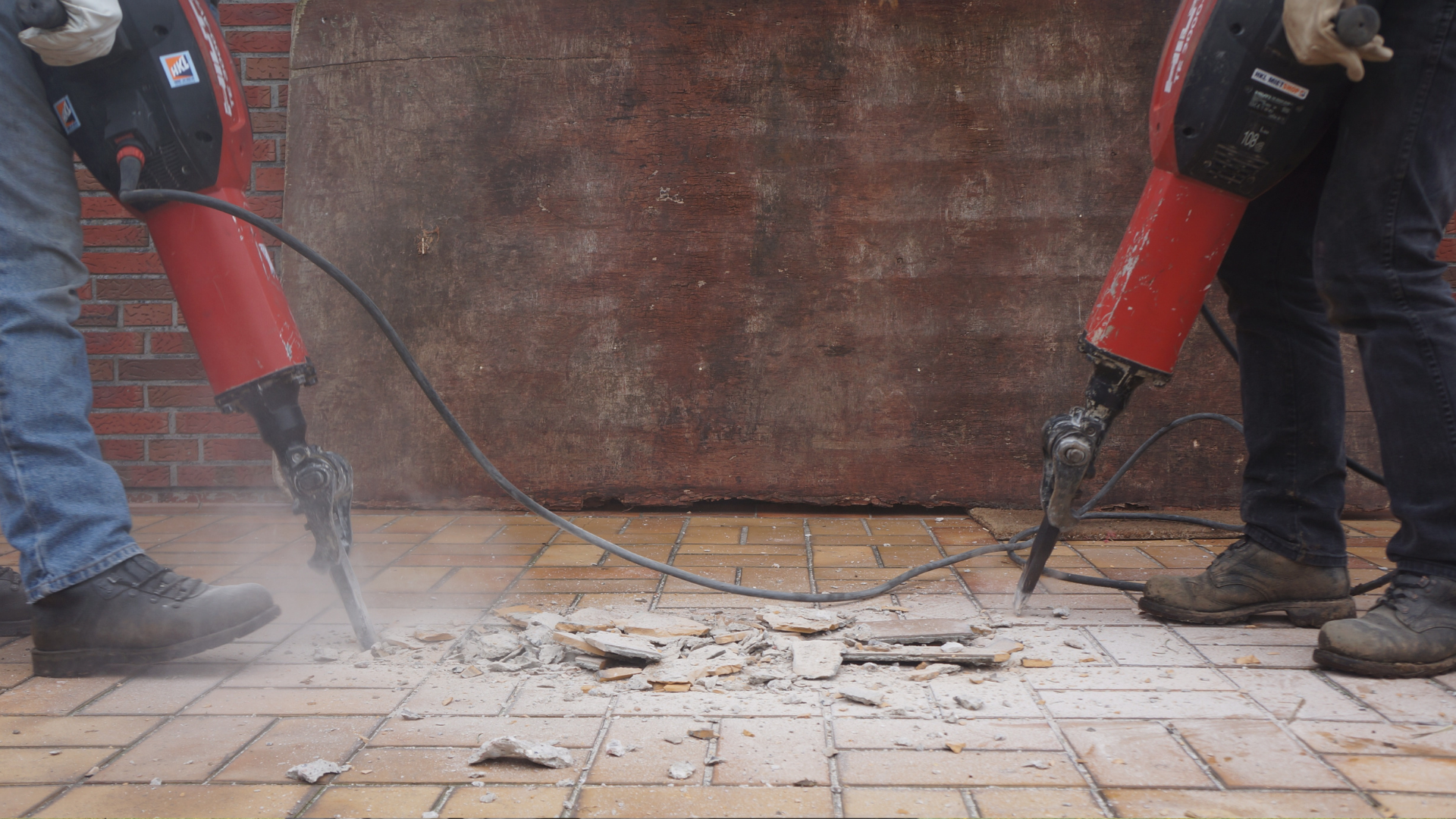
- Demolition is the first phase of most construction projects — delays here cascade through every phase that follows
- Professional demolition crews coordinate debris removal, hazardous material abatement, and site prep in a single mobilization
- Ontario requires demolition permits for most structural removals — working with a licensed contractor keeps projects legally on track
- Haliburton's short build season (typically May–October) makes efficient demolition scheduling critical to project success
- Selective demolition preserves reusable structural elements, reducing material costs on renovation and rebuild projects
- Country Contracting and Construction provides demolition and full construction services across Haliburton County, ON
- Asbestos and lead paint abatement — common in older Haliburton cottages — must be handled by certified professionals before demolition proceeds
Why Demolition Is the Phase That Sets Every Project's Pace
Most homeowners think of demolition as the end of something — tearing down the old to make way for the new. The contractors who build in Haliburton think of it differently. Demolition is the beginning. It's the phase that determines whether a project runs cleanly or spends the next four months catching up.
In cottage country, the stakes around scheduling are higher than almost anywhere else. The Haliburton build season is short. Weather windows are unpredictable. Access to remote lots can be genuinely challenging. Tradespeople are in high demand from May through October, and a delayed foundation pour doesn't just push back framing — it can push the entire project into the following year.
That's why how you handle demolition matters as much as any other phase. A professional crew that clears the site efficiently, manages waste properly, identifies subsurface issues early, and hands off a clean, ready-to-build footprint is worth every dollar. One that leaves behind buried debris, unreported hazardous materials, or a site that still needs three weeks of cleanup before footings can be dug is a timeline killer.
At Country Contracting and Construction, demolition isn't a standalone service — it's the opening move in a coordinated construction process. Here are nine specific ways professional demolition keeps Haliburton projects moving.
9 Ways Professional Demolition Accelerates Your Construction Timeline
1. Site Clearance Happens in One Coordinated Mobilization
Every time a crew mobilizes to a Haliburton property — especially one down a seasonal road or a long private lane — there's a cost in time, fuel, and coordination. Amateur or piecemeal demolition approaches often require multiple mobilizations: one to tear things down, another to haul debris, another to deal with material left behind.
A professional demolition crew plans the full scope upfront — structure removal, debris sorting, material hauling, and site grading — and completes it in a single, efficient mobilization. On remote Haliburton lots where access is genuinely difficult, that consolidation alone can save days off the project schedule before a shovel breaks ground on the new build.
Haliburton-specific note: Many properties in Haliburton County — particularly waterfront cottages in Dysart Township, Minden Hills, and Algonquin Highlands — sit at the end of narrow seasonal roads. Coordinating demolition, debris removal, and site prep in one planned sequence avoids the repeated traffic on access roads that can damage road surfaces and create friction with neighbouring property owners.
2. Hazardous Material Abatement Is Handled Before It Becomes a Stoppage
This is the one that catches unprepared project owners completely off guard. Cottages and homes built before 1990 — which describes a significant percentage of the existing building stock in Haliburton County — frequently contain asbestos-containing materials (ACM) in insulation, floor tiles, drywall compound, and roofing. Homes built before 1978 may also contain lead-based paint
.
Under Ontario Regulation 278/05, asbestos abatement must be performed by licensed abatement contractors before demolition proceeds — full stop. A project that discovers ACM mid-demolition without a licensed abatement plan in place faces a mandatory work stoppage, regulatory notification requirements, and potential fines while the situation is addressed.
An experienced demolition contractor in Haliburton coordinates pre-demolition hazardous material surveys as part of project planning — not as an afterthought. That survey result either confirms you can proceed or triggers an abatement plan that's on the schedule before breaking ground. Either way, you know what you're dealing with before it stops your project.
Ontario regulation: Ontario Regulation 278/05 under the Occupational Health and Safety Act governs asbestos on construction projects. Violations can result in stop-work orders, fines, and personal liability for property owners who fail to comply. (ontario.ca/laws/regulation/050278)
3. Selective Demolition Preserves What's Worth Keeping
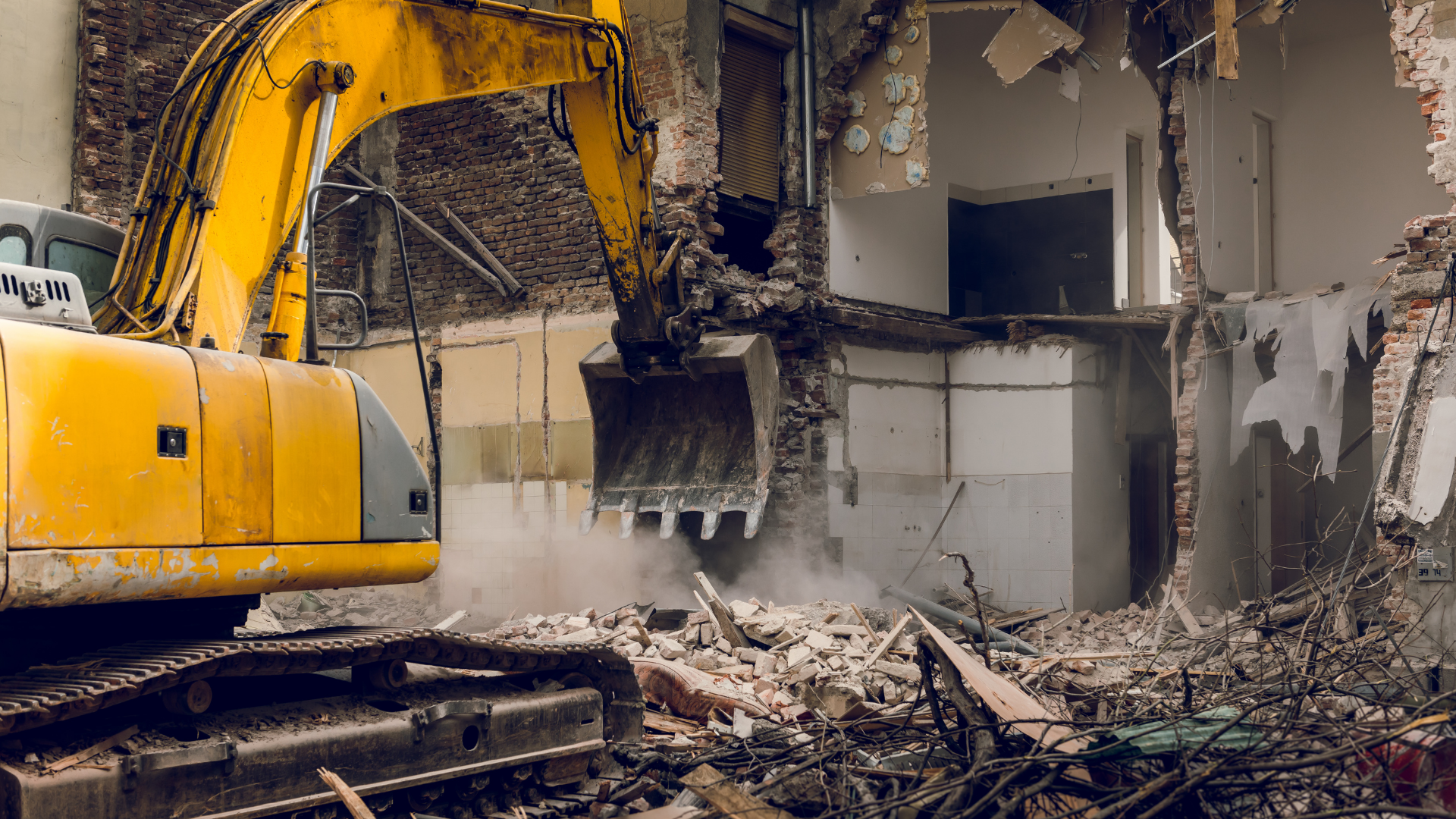
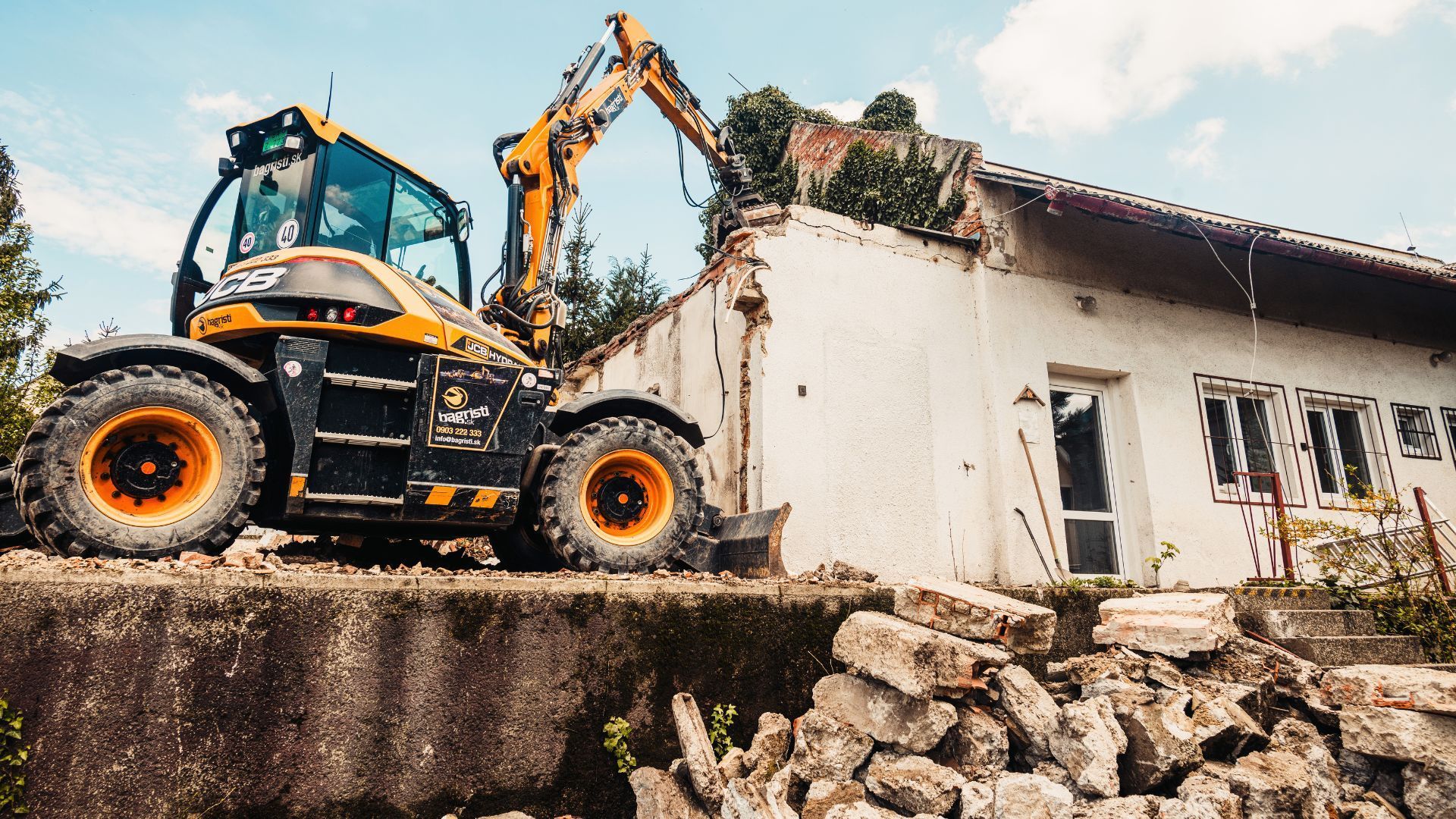
Not every demolition is a full teardown. Renovation projects, cottage expansions, and partial rebuilds often involve removing specific structural elements while preserving others — load-bearing walls that will become part of the new structure, foundations in serviceable condition, framing that can be incorporated into the rebuild.
Selective demolition requires skill, planning, and the right equipment. Tearing down the wrong section of a structure — or damaging the foundation during removal of a superstructure — creates additional repair costs and timeline delays that offset any savings from doing it quickly. A professional crew reads the structure, identifies what stays and what goes, and executes the removal without compromising the elements the new build depends on.
For Haliburton homeowners undertaking major cottage renovations rather than full rebuilds, selective demolition is frequently the approach that makes the project financially viable — preserving sound structural investments while making way for everything new.
4. Debris Removal and Material Recycling Keep the Site Clean and Compliant
A demolition that leaves piles of debris sitting on site isn't finished — it's half-finished. Debris left on a Haliburton lot creates real problems: it blocks access for subsequent trades, creates safety hazards, attracts wildlife, and in some cases violates Haliburton County waste management bylaws governing on-site disposal of construction materials.
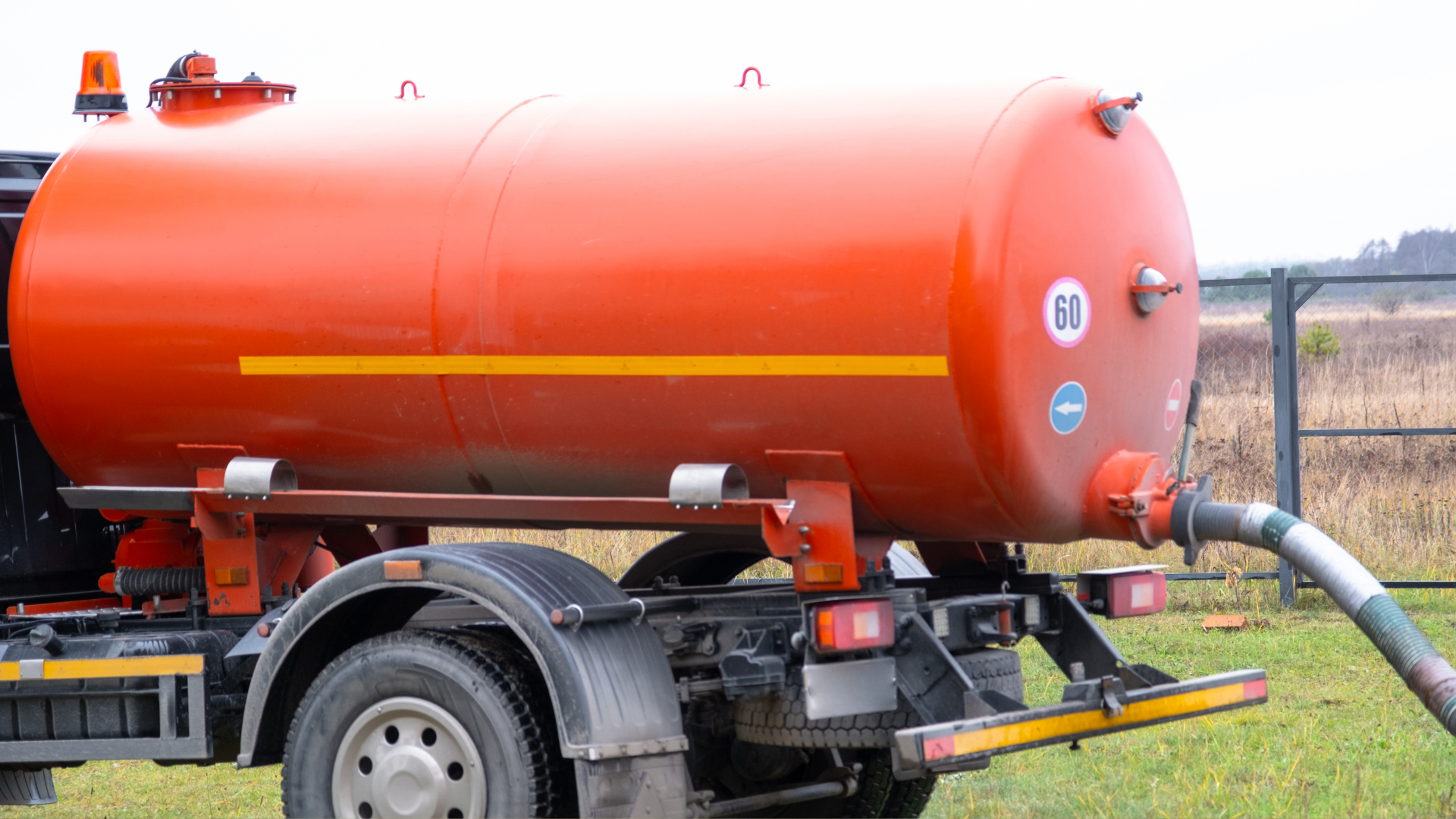
Professional demolition includes a debris management plan: sorting materials on site for recycling, metal salvage, or waste disposal, and hauling everything off the property to appropriate facilities. Concrete, metal, and clean wood waste can often be diverted from landfill through regional recycling facilities — reducing disposal costs and environmental impact simultaneously.
Ontario waste regulations: The disposal of construction and demolition waste in Ontario is governed by the Environmental Protection Act and Ministry of Environment regulations. Improper disposal — including burning construction debris, which is prohibited in most Haliburton County municipalities — carries significant penalties. A licensed contractor handles compliant disposal as a standard part of the work scope.
5. Early Identification of Subsurface Issues Prevents Mid-Build Surprises
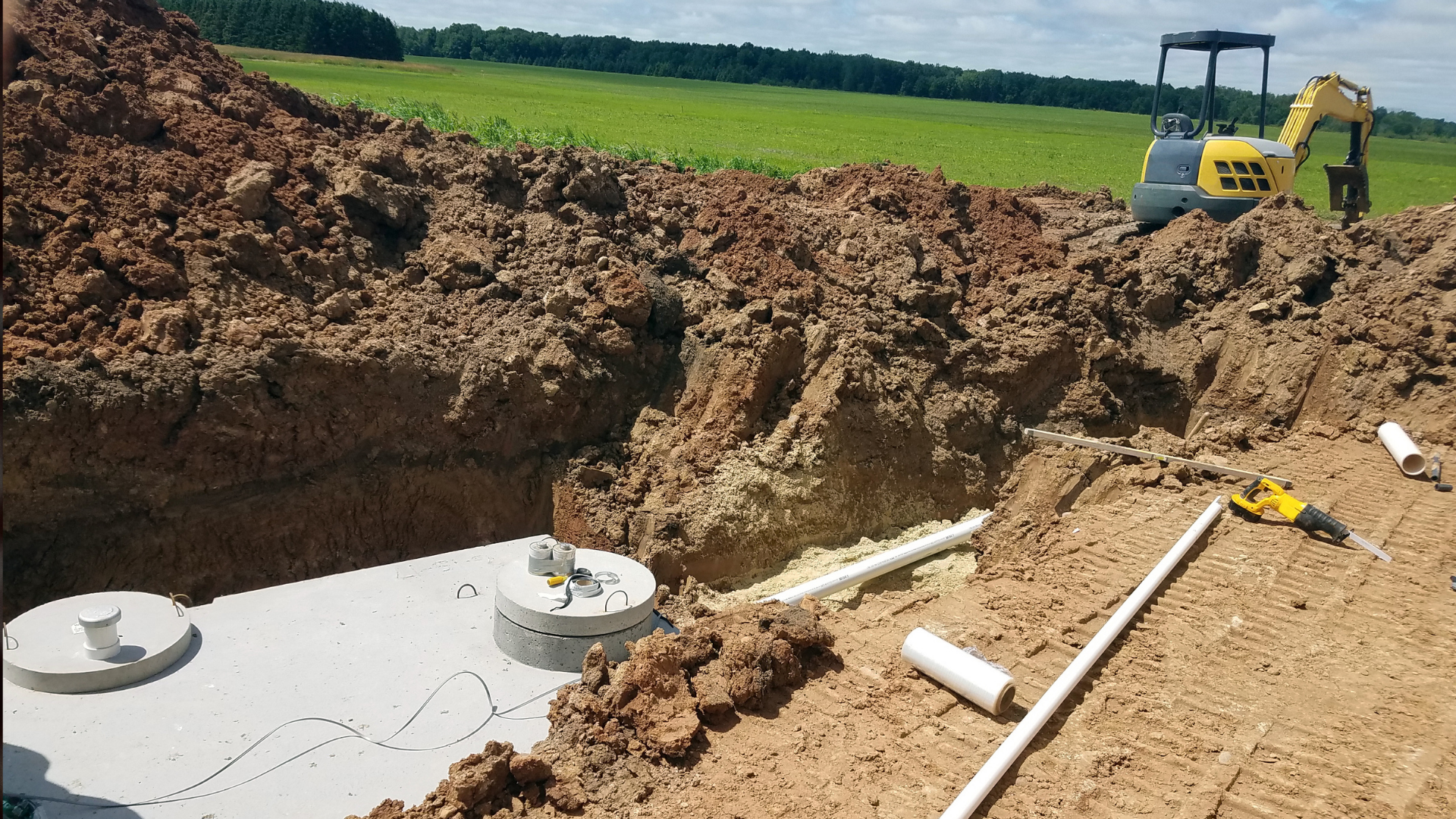
Haliburton's Canadian Shield geology means that what's below the surface is rarely predictable from above. Granite ledge at unexpected depths, buried debris from previous structures, old septic infrastructure, unmarked underground utilities, tree roots deep into a proposed foundation footprint — all of these are discovered during demolition and site preparation.
Finding these issues during demolition — before the new foundation is designed and poured — is the best possible timing. Design adjustments, equipment changes, and engineering decisions can be made while the project is still in its opening phase rather than mid-construction when changes are exponentially more expensive and disruptive.
An experienced crew working on Haliburton properties knows what to look for and communicates discoveries to the project owner and design team immediately. That early intelligence is one of the most tangible ways professional demolition protects a construction budget.
6. Permit Coordination Keeps the Project Legally on Track
Demolition in Ontario requires a building permit in most circumstances — specifically for the removal of any structure or portion of a structure. In Haliburton County, permit applications are processed through the County building department, and work cannot legally commence without a valid permit in hand.
A licensed general contractor coordinates permit applications as part of the project, so demolition starts legally and inspections are scheduled without owner-side administrative burden. Unpermitted demolition work — particularly on waterfront properties where visibility to neighbours and conservation authorities is high — creates complications that can affect title, insurance, and future permit approvals.
The permit process also triggers any required notifications to utilities and Ontario One Call — ensuring that buried services are located before excavation begins. That step alone prevents a category of costly, dangerous mid-project surprises that no budget accounts for.
Ontario One Call: Ontario law requires that all excavation and demolition contractors notify Ontario One Call (1-800-400-2255) at least five business days before ground-disturbing work begins. This triggers locates for buried utilities — gas, hydro, telecom, water — and is a non-negotiable legal requirement regardless of lot type or location. (ontarioonecall.ca)
7. Integrated Demolition and Excavation Eliminates Trade Gaps
On many Haliburton construction projects, demolition and excavation are treated as separate scopes handled by separate contractors with separate mobilizations and separate schedules. The gap between when the demolition crew leaves and the excavation crew arrives is dead time — and in a season where every available week matters, dead time is expensive.
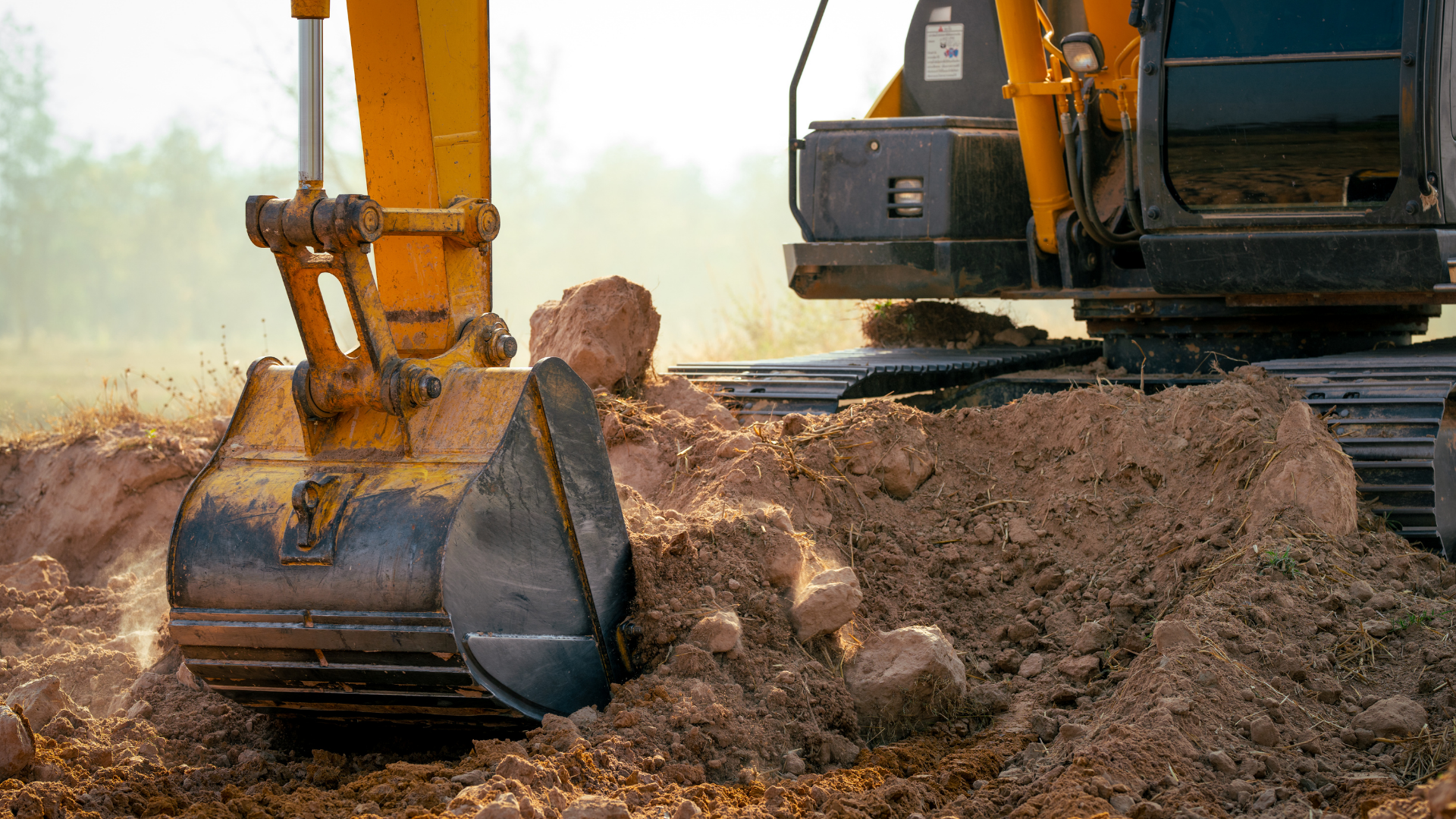
A contractor who handles both demolition and excavation in sequence — with a single project manager coordinating the full site preparation phase — eliminates that gap entirely. The same equipment that handled demolition is repositioned for excavation. The same site knowledge that informed the demolition approach informs the dig. The schedule flows continuously rather than in fits and starts.
This is one of the clearest practical advantages of working with a full-service Haliburton demolition and construction team rather than coordinating individual trade contractors separately. The efficiency savings are real and measurable in project days.
8. Proper Site Grading Sets Up Every Trade That Follows
What a demolition crew leaves behind matters as much as what they remove. A site that's been properly graded after demolition — debris cleared to the subsoil, grade established for drainage, access paths maintained for equipment — is a site where the foundation contractor, the concrete crew, and the framing team can all start work immediately without preliminary cleanup.
A poorly finished demolition site, by contrast, adds days to the schedule of every subsequent trade. Uneven grade creates drainage problems that complicate foundation work. Leftover debris buried under a thin layer of fill causes issues when footings are excavated. Access routes damaged by careless equipment operation slow material deliveries throughout the build.
Professional demolition finishes the site the way it needs to begin — clean, graded, accessible, and ready for the next phase without remediation.
9. Experienced Crews Work Efficiently in Cottage Country Conditions
Demolition on a Haliburton property isn't the same as demolition on a suburban lot with easy truck access, flat terrain, and nearby disposal facilities. Waterfront setbacks constrain equipment positioning. Steep grades and rocky terrain require operators who know how to work safely in challenging conditions. Access roads that can't handle heavy equipment require creative logistics planning.
A crew that has done this work in Haliburton County specifically brings solutions to those conditions that a general contractor from outside the region doesn't have. They know which equipment configurations work on tight waterfront lots. They know the disposal facilities in the region and the haul routes that work in mud season. They've dealt with Shield bedrock encounters at two feet and know how to pivot the plan without panicking the timeline.
Local experience, in cottage country construction, is genuinely worth paying for. The efficiency of a crew that's done fifty demolitions in Haliburton versus one that's done none shows up directly in how fast your project moves from cleared site to first footing.
Seasonal planning: Haliburton's build season typically runs from late April through October — approximately 26 usable weeks in a good year. Scheduling demolition early in that window, rather than treating it as something to address once funding and permits are in order, is one of the most reliable ways to protect your overall construction timeline.
How Demolition Fits the Haliburton Construction Sequence
Phase 1 — Pre-Demo
Permits pulled, hazmat survey completed, utilities located via Ontario One Call, equipment access planned
Phase 2 — Abatement
Licensed abatement of any asbestos or lead-based materials confirmed or addressed before structural work begins
Phase 3 — Demolition
Structural removal, selective preservation where applicable, debris sorting and material segregation on site
Phase 4 — Debris Removal
All waste hauled to licensed facilities — recycling, metal salvage, and landfill streams handled separately
Phase 5 — Site Prep
Grade established, access routes maintained, subsurface conditions documented and reported to design team
Phase 6 — Excavation
Foundation dig begins on a clean, graded site — zero delay between demolition completion and construction start
Frequently Asked Questions About Demolition in Haliburton
Do I need a permit to demolish a structure in Haliburton County?
Yes. The Ontario Building Code requires a demolition permit for the removal of most structures, including cottages, houses, garages, and outbuildings. Permits are issued through the County of Haliburton building department. Your contractor should manage the permit application as part of the project scope. Work cannot legally begin until the permit is issued and posted on site.
How long does demolition typically take on a Haliburton property?
Timeline depends on structure size, access conditions, hazardous material requirements, and how much site preparation work follows the structural removal. A small seasonal cottage can typically be demolished and cleared in two to four days by a professional crew. Larger structures, those requiring hazardous material abatement first, or properties with difficult access may take one to two weeks from mobilization to final site grading. Your contractor should provide a project-specific timeline after assessing the site.
What happens if asbestos is found in my cottage?
If a pre-demolition hazardous material survey identifies asbestos-containing materials, a licensed abatement contractor must remove and properly dispose of those materials before demolition proceeds — this is a non-negotiable requirement under Ontario Regulation 278/05. Abatement work adds time and cost to the project, but it's a legal requirement and a genuine safety necessity. The key is identifying it during pre-project planning, not mid-demolition when it causes a work stoppage.
Can demolition and new construction happen at the same time on a Haliburton property?
On larger lots where the footprints don't overlap, partial overlap in scheduling is sometimes possible. On most Haliburton cottage properties, the lot size and access constraints make sequential scheduling more practical — demolition and site preparation complete first, then construction begins on a clean site. Your contractor can assess your specific property and advise on the most efficient sequence.
What is the best time of year to schedule demolition in Haliburton?
Early in the build season — late April through May — is typically the ideal window for demolition, provided the ground has thawed sufficiently for equipment access. Scheduling demolition early maximizes the construction window for the phases that follow. Fall demolitions (September–October) can work well for projects planning a spring construction start, giving the disturbed site time to stabilize over winter. Winter demolitions are possible but typically require equipment modifications and carry higher mobilization costs on properties with seasonal road access.
Haliburton Demolition Done Right — Country Contracting and Construction
Country Contracting and Construction has been working on properties across Haliburton County for years — tearing down old structures, clearing difficult sites, and handing off clean, build-ready footprints to the construction phases that follow. We know this terrain. We know the regulatory requirements for demolition work in Ontario. And we know how to work efficiently on the waterfront lots, steep-grade properties, and remote rural sites that define Haliburton's building environment.
We operate as licensed general building contractors in Haliburton, which means demolition is coordinated directly with site preparation, excavation, and construction — not handed off to a separate company with a separate schedule. That integrated approach is what keeps Haliburton projects moving through a short build season without the coordination gaps that cost weeks.
Our demolition work is fully permitted, compliant with Ontario Building Code and environmental regulations, and coordinated with Ontario One Call locates before any ground-disturbing work begins. We handle hazardous material surveys, coordinate abatement when required, manage debris disposal to licensed facilities, and finish every site properly graded and ready for what comes next.
- Licensed and insured for Ontario residential and commercial demolition
- Experienced with Canadian Shield terrain and Haliburton County access conditions
- Permit management handled as part of every project scope
- Full service from demolition through excavation and site preparation
- Hazardous material coordination managed proactively — no mid-project surprises
- Local team based in Haliburton — responsive and on site when it counts
Start Your Haliburton Build on the Right Foot — Talk to Us About Demolition
Whether you're tearing down an old cottage to rebuild, clearing a site for new construction, or managing a major renovation that requires structural removal, the demolition phase deserves as much planning as any other part of the project. Get it right and every phase that follows moves faster. Get it wrong and you spend the rest of the season recovering.
Country Contracting and Construction serves homeowners, developers, and property owners across Haliburton County, ON. Contact us today for a site assessment and project consultation — no obligation, just a straight conversation about what your project needs.
Disclaimer: The content in this article is provided for general informational and educational purposes only and does not constitute professional engineering, legal, regulatory, or environmental advice. Ontario Building Code requirements, Ontario Regulation 278/05 provisions, and Haliburton County permit requirements referenced herein are summarized for general awareness and are subject to legislative and regulatory change — always verify current requirements with the County of Haliburton building department, the Ontario Ministry of Labour, and qualified licensed professionals before commencing any demolition or construction project. Project timelines and cost references are general estimates only and vary significantly based on site-specific conditions. Country Contracting and Construction is a licensed general contractor operating in Haliburton County, Ontario, Canada.