5 Affordable Haliburton Septic System Installation Options for Homeowners
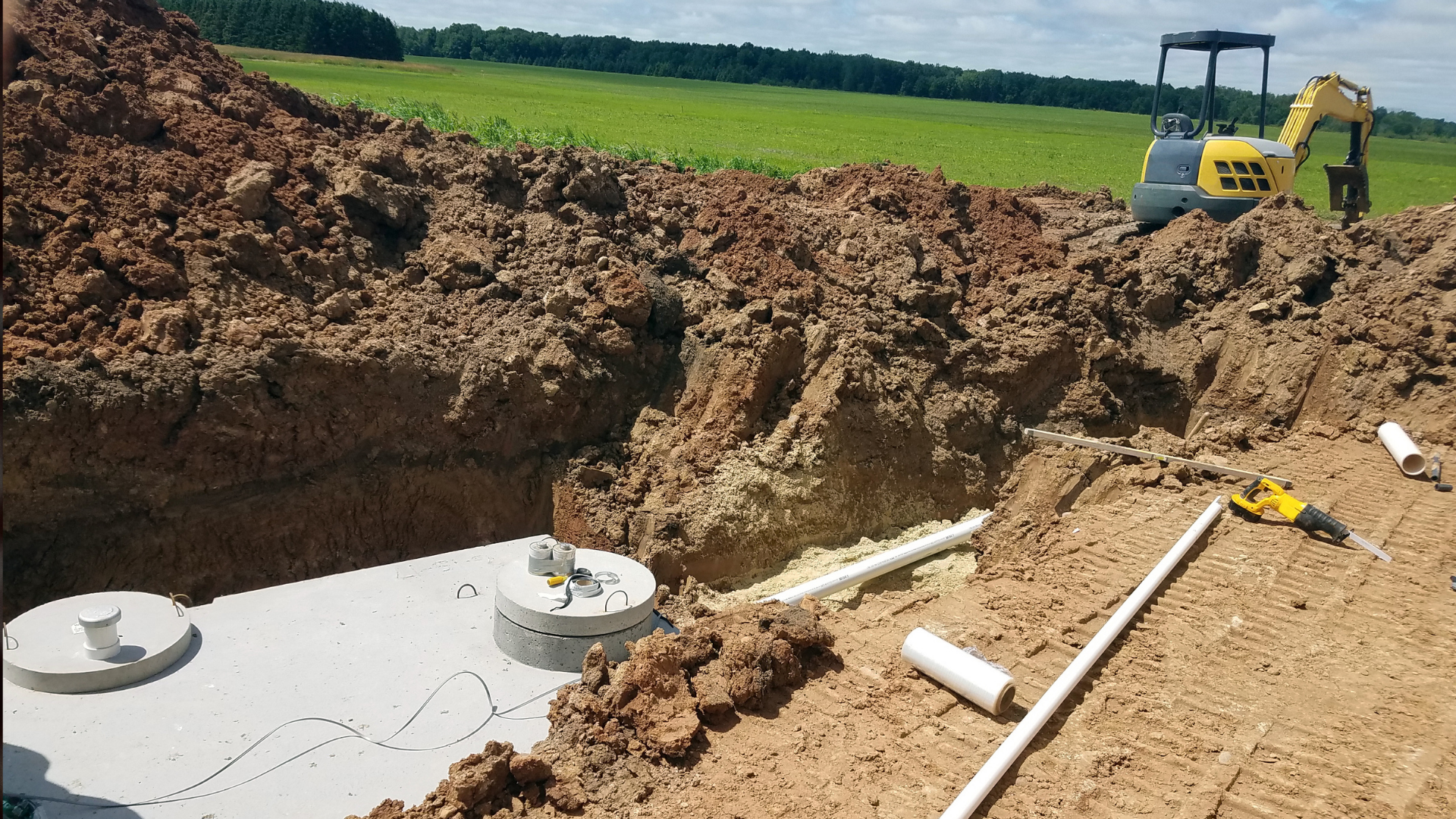
Affordable septic system installation in Haliburton depends on your lot size, soil type, setback requirements, and Ontario Building Code compliance. The five most common options — conventional gravity-fed systems, raised bed systems, leaching bed systems, holding tanks, and alternative treatment units — each carry different upfront costs, maintenance demands, and site suitability criteria that homeowners should understand before committing to a design.
Key Takeaways
- All septic system installations in Haliburton must comply with Ontario Building Code Part 8 and require a permit from Haliburton County
- Soil percolation testing is mandatory before any system design is finalized — soil conditions across Haliburton County vary significantly
- Conventional gravity-fed systems are typically the most affordable where site conditions allow
- Raised bed and alternative treatment systems cost more upfront but are often the only compliant option on challenging lots
- Working with an experienced Haliburton general contractor who understands local conditions saves time, money, and permit headaches
- Country Contracting and Construction provides septic installation and site services across Haliburton County, ON
- Setback distances from lakes, wells, and property lines are strictly enforced in cottage country — site assessment is essential before budgeting
Septic Installation in Haliburton — What Every Homeowner Needs to Know First
If you own a property in Haliburton — whether it's a year-round home, a seasonal cottage, or a new build on a rural lot — the septic system isn't the most glamorous thing you'll deal with. But it might be the most important.
Get it right and it runs quietly in the background for 25–40 years. Get it wrong — wrong system for the soil, wrong location relative to the well, insufficient capacity for the structure — and you're looking at failed inspections, environmental orders, and a replacement cost that makes the original installation look like a bargain.
Haliburton County's combination of Canadian Shield bedrock, variable soil depths, high water table in some areas, and strict proximity requirements to the hundreds of lakes that define this region means septic installation here isn't a one-size-fits-all job. The right system depends on your specific lot — and the right contractor is one who has done this work on properties like yours in this exact area.
At Country Contracting and Construction, we've been providing contracting and construction services across Haliburton County for years. Here are five system types that offer real value for local homeowners — what each one costs, where it fits, and what the Ontario Building Code requires.
5 Septic System Options for Haliburton County Properties
Best for: Level lots with good soil depth
1. Conventional Gravity-Fed Septic System
The conventional gravity-fed system is the baseline — and when site conditions allow it, it's the most affordable and lowest-maintenance option available. Wastewater flows by gravity from the house through a septic tank, where solids settle and effluent is released into a leaching bed (also called a leaching field or tile bed) for final soil treatment.
No pumps, no moving parts, no electrical components — a properly installed gravity system is the most reliable long-term option when the soil and lot conditions support it. In Haliburton County, that means adequate soil depth above bedrock or the seasonal high-water table, a lot large enough to accommodate the required setbacks, and a percolation rate that meets Ontario Building Code Part 8 requirements.
Many Haliburton properties — particularly newer builds on properly sized lots set back from the lake — qualify for this system type. The challenge is that a significant number of older cottage-country properties don't, either because lot sizes are too small, setbacks to the waterfront are too tight, or soil conditions are too shallow over the Shield bedrock.
Ontario Building Code requirement: Under OBC Part 8, conventional leaching bed systems must maintain a minimum 30-metre setback from any lake, river, or navigable waterway — a requirement that eliminates this option for many waterfront lots in Haliburton County. A site evaluation confirms setback compliance before any design work begins. (ontario.ca — Building Code Act)
Best for: Shallow soil over bedrock
2. Raised Bed Septic System
When natural soil depth is insufficient — a very common condition on Canadian Shield terrain throughout Haliburton County — a raised bed system brings the required soil treatment depth above grade rather than below it. Fill material is engineered and placed to create the treatment zone that the native soil can't provide.
Raised bed systems are one of the most frequently specified options in Haliburton because of the area's geology. Granite bedrock close to the surface is the rule rather than the exception on many properties here, particularly on higher terrain and waterfront lots where the Shield sits just below the topsoil layer.
The higher cost reflects the additional fill material, more complex site preparation, and greater excavation and grading work involved. But for properties where a conventional system simply isn't technically feasible, a raised bed is often the most cost-effective compliant option — and a qualified septic installation contractor in Haliburton can assess quickly whether your lot qualifies.
Haliburton-specific note: Raised bed systems on sloped lots require careful engineering to prevent surface runoff of effluent — a concern that's particularly relevant near Haliburton's many lakes and waterways. Site-specific design by a qualified professional is not optional here.
Best for: Larger lots with adequate setbacks
3. Leaching Bed System With Pressure Distribution
A standard gravity leaching bed distributes effluent based on gravity flow — which means the area closest to the tank receives the most loading. Over time, this uneven distribution can create preferential pathways and reduce the effective life of the bed. A pressure distribution system solves this by using a pump to distribute effluent evenly across the entire leaching area.
The result is a more uniformly loaded bed, longer system lifespan, and better treatment performance — at a modest cost premium over a pure gravity design. For larger Haliburton properties with adequate lot size and good setbacks, this is often the system design professionals recommend for its balance of cost and longevity.
Pressure distribution systems do introduce a pump and electrical components, which adds a maintenance item that gravity systems don't have. That said, a well-maintained pump in a properly designed system adds minimal ongoing cost and provides meaningful performance benefits that justify the upfront investment.
Maintenance reminder: Ontario's Building Code requires that septic systems be inspected and maintained regularly. The Ontario On-Site Sewage Association (OOSSA) recommends pumping the septic tank every 3–5 years regardless of system type — a maintenance step that significantly extends overall system life. (oossa.on.ca)
Best for: Difficult lots, high water tables, tight setbacks
4. Alternative Treatment Unit (ATU)
For lots where conventional, raised bed, and leaching bed options can't meet Ontario Building Code requirements — typically because of lot size constraints, proximity to water, high seasonal water tables, or extremely shallow soil — an Alternative Treatment Unit provides a certified engineered solution that achieves higher levels of effluent treatment before discharge.
ATUs use aerobic treatment technology — introducing oxygen into the treatment process — to produce a significantly cleaner effluent than conventional anaerobic septic tanks. This higher treatment level allows reduced setback distances in some circumstances, making ATUs the solution for many waterfront cottage lots in Haliburton that can't accommodate a conventional system layout.
The cost premium is real — ATUs are the most expensive option on this list. They also require a service contract for annual maintenance and inspection, which is a condition of Ontario certification for most approved units. But for lots where no other compliant option exists, an ATU is not a luxury — it's the only legal path to a functional system.
Important: Installing any septic system in Ontario without a building permit is a serious offence under the Building Code Act. In Haliburton County, permits are issued through the County building department. Unpermitted systems carry significant fines and can create major complications when selling the property. Never proceed without a permit in hand.
Best for: Seasonal use, temporary solutions, very small lots
5. Holding Tank
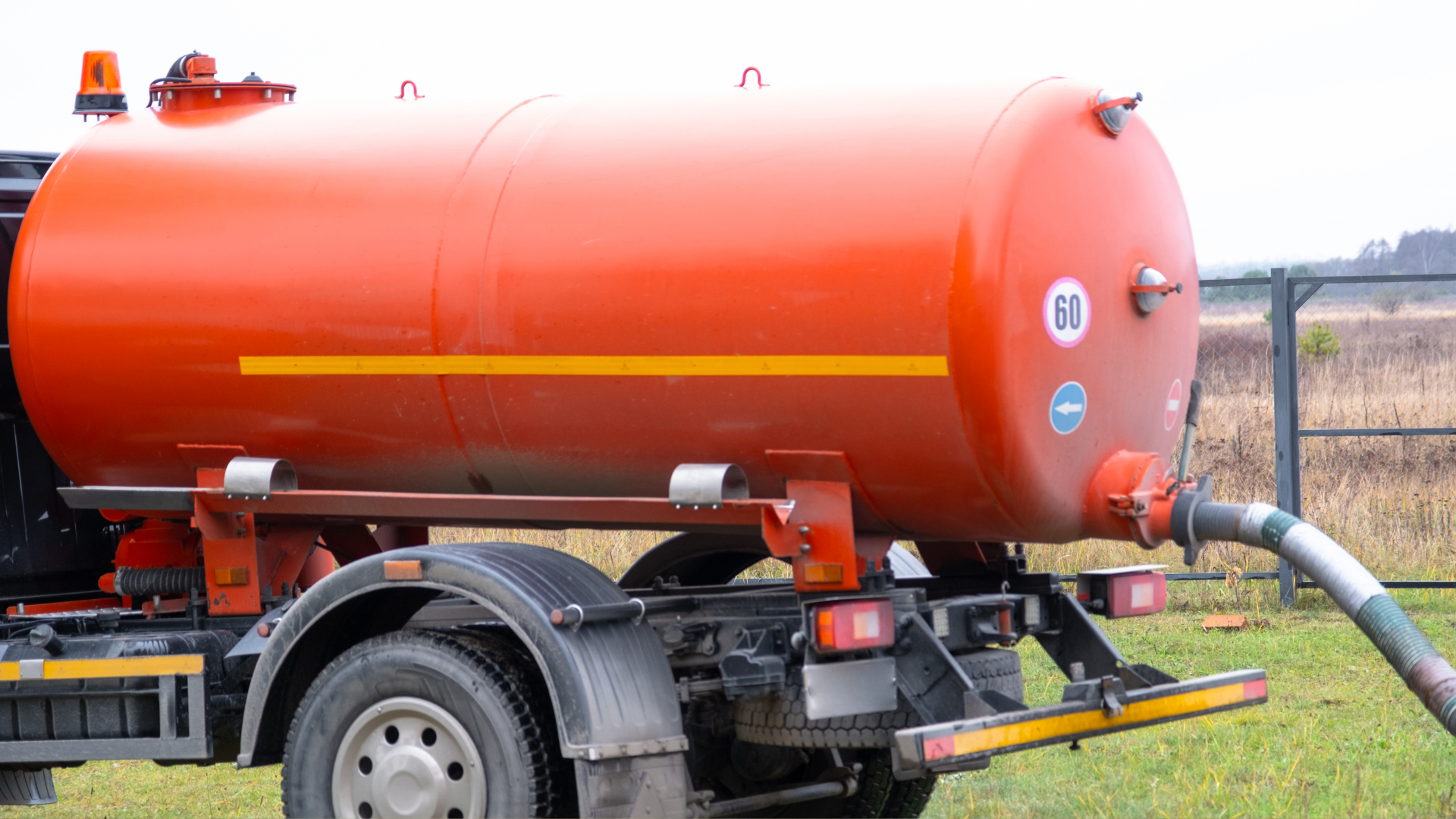
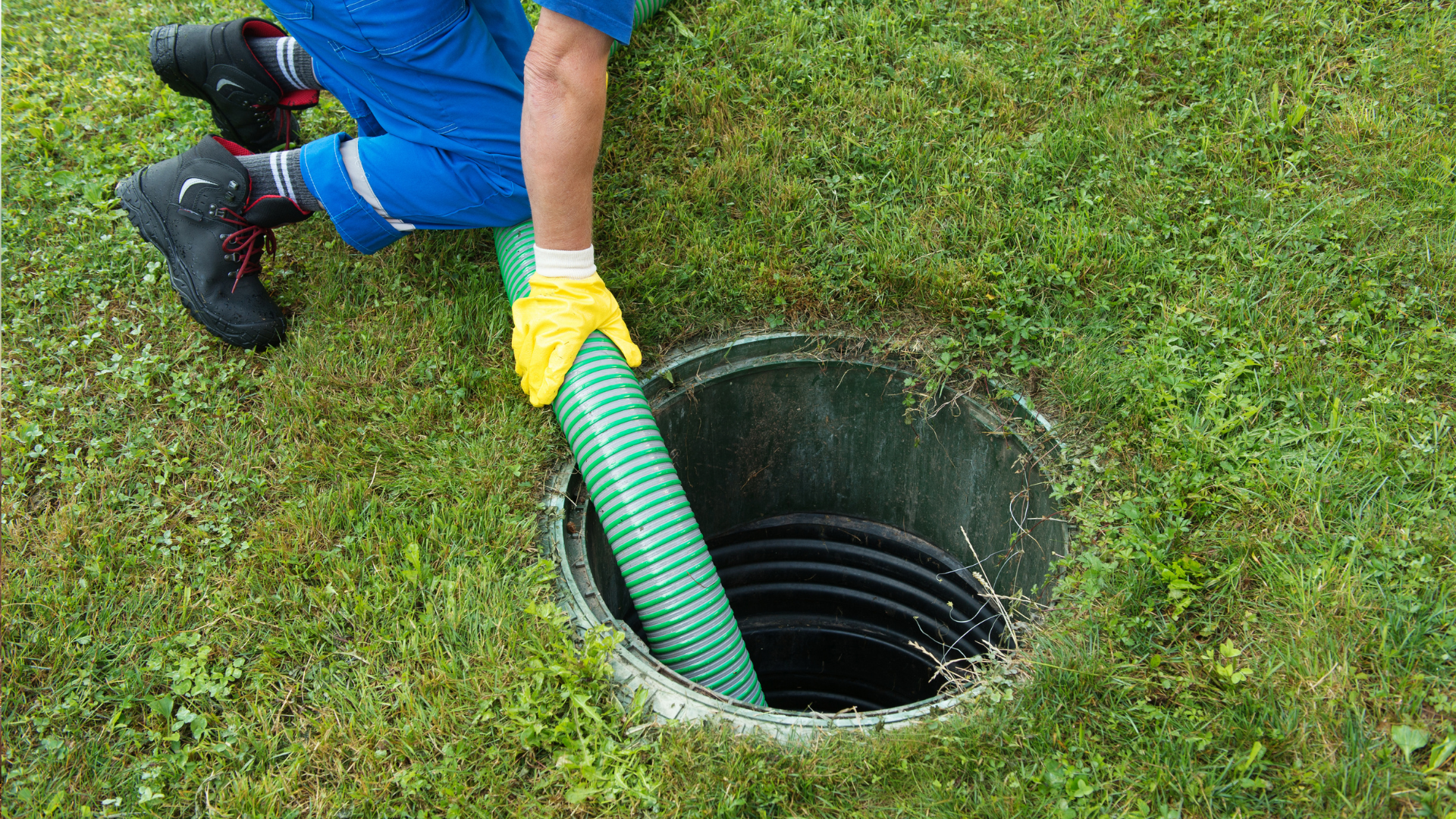
A holding tank is exactly what it sounds like — a sealed, watertight tank that collects all wastewater with no discharge to the soil. It must be pumped out regularly by a licensed waste haulage operator. There is no treatment or dispersal — the tank simply stores waste until it's removed.
Holding tanks have the lowest installation cost on this list, but the ongoing pump-out cost makes them expensive to operate year-round. A family of four can fill a standard holding tank in two to four weeks of regular use, meaning 6–13 pump-outs per year at typical Haliburton pump-out rates of $200–$400 per service call.
Where holding tanks make sense: seasonal cottages used a few weeks per year, properties with very small footprints where no soil dispersal system is feasible, or as a temporary solution while a permanent system is being designed and permitted. As a long-term solution for full-time occupancy, the economics rarely work out.
Resale consideration: Properties with holding tanks rather than soil treatment systems often face buyer scrutiny and lower offers — the ongoing pump-out cost is a real liability that informed buyers factor into their offer. Where a soil dispersal system is achievable, it's almost always the better long-term investment.
Side-by-Side: Comparing All 5 Options
| System Type | Maintenance Level | Suits Waterfront Lots | Ongoing Costs |
|---|---|---|---|
| Conventional Gravity | Low | Setback dependent | Low — tank pump-out only |
| Raised Bed | Low–Moderate | Setback dependent | Low — tank pump-out only |
| Pressure Distribution | Moderate — pump maintenance | Setback dependent | Low — pump maintenance added |
| Alternative Treatment Unit | Moderate — service contract | Best option for tight setbacks | Annual service contract required |
| Holding Tank | Low install | Yes — no soil dispersal | High — frequent pump-outs |
Frequently Asked Questions About Septic Installation in Haliburton
Do I need a permit for septic system installation in Haliburton County?
Yes — without exception. All septic system installations, replacements, and significant repairs in Ontario require a building permit issued under the Ontario Building Code Act. In Haliburton County, permits are applied for through the County of Haliburton building department. Your contractor should handle the permit application as part of the project, but as the property owner, you are ultimately responsible for ensuring the work is permitted and inspected. Unpermitted septic work can void property insurance, trigger municipal orders, and create significant complications at the time of sale.
How long does a septic system last in Haliburton?
A well-designed, properly installed, and regularly maintained septic system should last 25–40 years in Haliburton's conditions. Conventional and raised bed systems at the higher end of that range when maintained correctly. Alternative treatment units typically have a 20–30 year lifespan depending on the technology. The single most reliable way to extend system life is regular pumping — every 3–5 years for most households — and avoiding flushing materials that damage the biological treatment process in the tank.
Can I install a septic system myself in Ontario?
No. Ontario requires that septic system installations be designed and supervised by a qualified professional — typically a licensed engineer or Registered Onsite Wastewater Practitioner (ROWP) — and installed by a contractor holding the appropriate licensing. The design must be submitted with the permit application and approved before work begins. DIY installation is not a legal option under the Ontario Building Code.
What is a percolation test and why does it matter?
A percolation test (perc test) measures how quickly water drains through your soil — a critical factor in determining which type of septic system is appropriate for your lot and how large the leaching bed needs to be. Soil that drains too quickly or too slowly may require specific system modifications. In Haliburton County, where soil depth and composition vary dramatically from lot to lot, the perc test is the essential starting point for any system design. No responsible contractor will quote a fixed installation price without one.
How close can a septic system be to my lake or well in Haliburton?
Ontario Building Code Part 8 sets minimum setback distances that all systems must meet. Key setbacks include: 30 metres from a lake, river, or navigable waterway for conventional systems; 15 metres from a drilled well; 30 metres from an artesian well. Alternative treatment units may qualify for reduced setbacks in some circumstances. These are minimums — site-specific conditions, soil profiles, and Haliburton County's local requirements may impose stricter standards. A site assessment by an experienced local contractor is the only reliable way to determine what's achievable on your specific property.
Why Haliburton Homeowners Trust Country Contracting and Construction
Country Contracting and Construction has been working on properties across Haliburton County for years — building homes, preparing sites, and installing septic systems on the same rocky, variable terrain that makes this area both beautiful and technically demanding to build on. We know what Shield bedrock at two feet looks like. We know which areas near Haliburton Village, Minden, and Dysart Township typically present shallow soil challenges. We know the County building department's process and what inspectors here look for.
Our team operates as licensed general contractors in Haliburton, which means septic installation isn't handled in isolation — it's coordinated with site preparation, grading, excavation, and any related construction work as part of a single, managed project. That integrated approach eliminates the scheduling conflicts, miscommunication, and duplicated mobilization costs that come with juggling multiple subcontractors.
We pull permits, we coordinate inspections, and we stand behind the work. Every septic installation we complete is designed to meet Ontario Building Code Part 8 requirements and Haliburton County's specific standards — not just pass inspection, but perform reliably for the life of your property.
- Licensed and insured for Ontario residential and commercial construction
- Deep familiarity with Haliburton County soil conditions and building department requirements
- Full-service capability: site prep, excavation, installation, grading, and restoration
- Transparent project pricing based on proper site assessment — no quotes without a perc test
- Local team based in Haliburton — we're here when you need post-installation support
Get the Right Septic System for Your Haliburton Property — Let's Start With a Site Assessment
Every Haliburton property is different. The only way to know which system is right for yours — and what it will realistically cost — is a proper site assessment that looks at soil conditions, setbacks, lot size, and intended use before any design work begins.
Country Contracting and Construction serves homeowners across Haliburton County, ON. Reach out today for a consultation and let's figure out the right solution for your property — on budget, on time, and fully to code.
Disclaimer: The content in this article is provided for general informational and educational purposes only and does not constitute professional engineering, legal, or regulatory advice. Cost estimates referenced herein are approximate ranges based on typical Haliburton County conditions as of the time of publication and are subject to change based on site-specific conditions, material costs, labour rates, and permit requirements. Ontario Building Code Part 8 requirements and Haliburton County setback standards are summarized for general awareness — always verify current requirements with the County of Haliburton building department and a qualified Registered Onsite Wastewater Practitioner (ROWP) or licensed engineer before commencing any septic system project. All septic installations in Ontario require a valid building permit issued prior to commencement of work. Country Contracting and Construction is a licensed general contractor operating in Haliburton County, Ontario, Canada.