Expert Septic System Installation for Long-Lasting, Reliable, and Efficient Performance.
When your property requires a dependable wastewater solution, professional septic system installation is essential. Whether you’re building a new home, replacing an outdated system, or developing rural land, having the right system installed correctly ensures long-term performance, safety, and compliance with local regulations.
At
Country Contracting and Construction, we specialize in delivering efficient, code-compliant septic installations tailored to your property’s unique needs. From initial site evaluation to final system testing, our team manages every step with precision so you can feel confident your investment is built to last.
What Is a Septic System?
A septic system is an underground wastewater treatment solution commonly used in areas without access to municipal sewer services. It safely processes wastewater from your home including water from sinks, toilets, showers, and appliances by separating solids, treating liquids, and dispersing them into the soil.
A properly installed system not only protects your property but also safeguards groundwater and the surrounding environment.
What’s Included in a Septic System?
Understanding the components of a septic system helps homeowners make informed decisions. A complete system typically includes:
1. Septic Tank
The septic tank is the core of the system. It’s a watertight container that separates solid waste from liquids.
- Solids settle at the bottom (sludge)
- Oils and grease float to the top (scum)
- Liquid wastewater flows out for further treatment
2. Distribution System
After leaving the tank, wastewater is distributed evenly into the drain field through a network of pipes. This ensures proper absorption and prevents overloading one area.
3. Drain Field (Leach Field)
The drain field is where the treatment process continues. Wastewater slowly filters through soil layers, which naturally remove harmful bacteria and contaminants.
4. Soil and Filtration Layer
The soil plays a critical role in purification. Its composition determines how well wastewater is filtered and absorbed, making soil testing a key step in installation.
5. Pump System (If Required)
In some properties—especially those with elevation challenges—a pump may be necessary to move wastewater efficiently through the system.
Our Septic System Installation Process
At Country Contracting and Construction, we follow a structured, detail-oriented process to ensure every installation meets the highest standards.
Step 1: Site Evaluation and Soil Testing
Every property is different. We begin by analyzing soil conditions, drainage capability, and land layout to determine the most suitable system design.
Step 2: System Design and Permits
We create a customized septic design that complies with local regulations. Our team also handles necessary permits to ensure everything is approved before work begins.
Step 3: Excavation and Preparation
Using professional-grade equipment, we carefully excavate the area while minimizing disruption to your property.
Step 4: Installation of Tank and Components
We install the septic tank, piping, and distribution system with precision, ensuring proper alignment and durability.
Step 5: Drain Field Construction
The drain field is built according to engineered specifications, allowing for effective wastewater filtration and long-term performance.
Step 6: Inspection and Final Testing
Before completing the project, we conduct thorough inspections and testing to confirm everything is functioning properly and meets regulatory standards.
Benefits of Professional Septic System Installation
Choosing experienced professionals for your septic installation offers significant long-term advantages:
Long-Term Reliability
Proper installation reduces the risk of system failure, backups, and costly repairs.
Environmental Protection
A well-designed system prevents contamination of groundwater and nearby water sources.
Regulatory Compliance
Local codes and environmental regulations can be complex. Professional installation ensures your system meets all requirements.
Increased Property Value
A modern, well-installed septic system adds value and appeal to your property.
Cost Efficiency Over Time
While cutting corners may seem cheaper upfront, professional installation minimizes future maintenance and replacement costs.
Signs You Need a New Septic System
If you already have a septic system, certain warning signs may indicate it’s time for replacement:
- Frequent sewage backups or slow drains
- Unpleasant odors around your property
- Pooling water near the drain field
- Lush, overly green grass in one area
- An aging system (typically 20–30+ years old)
If you notice any of these issues, it’s best to consult professionals before problems worsen.
Factors That Affect Septic System Installation Costs
The cost of septic system installation can vary depending on several key factors:
Property Size and Layout
Larger or more complex properties may require more extensive excavation and materials.
Soil Type
Certain soil conditions require specialized systems or additional preparation.
System Type
Different systems (conventional, advanced treatment, mound systems) have varying costs.
Accessibility
Hard-to-reach areas may increase labor and equipment requirements.
Local Regulations
Permits and compliance requirements can influence overall costs.
At Country Contracting and Construction, we provide transparent estimates and help you understand exactly what goes into your investment.
Why Choose Us?
Choosing the right contractor is just as important as selecting the right septic system, and that’s why homeowners continue to trust Country Contracting and Construction for dependable results. With extensive hands-on experience across a wide range of septic system installations, our team brings the expertise needed to handle each project with precision and care. We take a customized approach to every job, designing solutions that align with your property’s unique conditions rather than relying on one-size-fits-all methods. Our commitment to quality means using durable materials and proven installation techniques to ensure long-term performance you can rely on. From initial planning and permitting to final inspection, we provide a full-service experience that simplifies the process and reduces stress. Throughout the project, we maintain clear and transparent communication so you’re always informed and confident in the progress. Above all, we prioritize compliance and safety by strictly adhering to local regulations and environmental standards, helping protect both your investment and the surrounding environment.
Maintenance Tips After Installation
A properly installed septic system still requires regular care to perform at its best. Here are a few essential tips:
- Schedule routine pumping every 3–5 years
- Avoid flushing non-biodegradable items
- Limit excessive water usage
- Keep heavy vehicles off the drain field
- Monitor for early signs of issues
Regular maintenance helps extend the lifespan of your system and prevents unexpected repairs.
Septic System Installation for New Builds
If you’re building a new home, septic installation is a critical part of your project timeline. Our team works closely with homeowners, builders, and developers to ensure seamless integration into your construction plans.
We coordinate with other trades, adhere to deadlines, and ensure your system is ready when you need it.
Septic System Installation Services in Your Area
We provide professional septic system installation services in Minden, ensuring reliable and efficient wastewater solutions for residential properties. Homeowners in Dorset trust our expertise for properly designed and installed systems that meet local regulations and long-term performance needs. We also serve clients in Carnarvon with dependable septic installations built for durability, environmental safety, and peace of mind.
Get Started with Your Septic System Installation
Investing in a professional septic system installation is one of the most important decisions you can make for your property. Done right, it provides decades of reliable performance, protects your environment, and adds long-term value.
Country Contracting and Construction is here to guide you through every step from planning to completion with expertise you can trust.
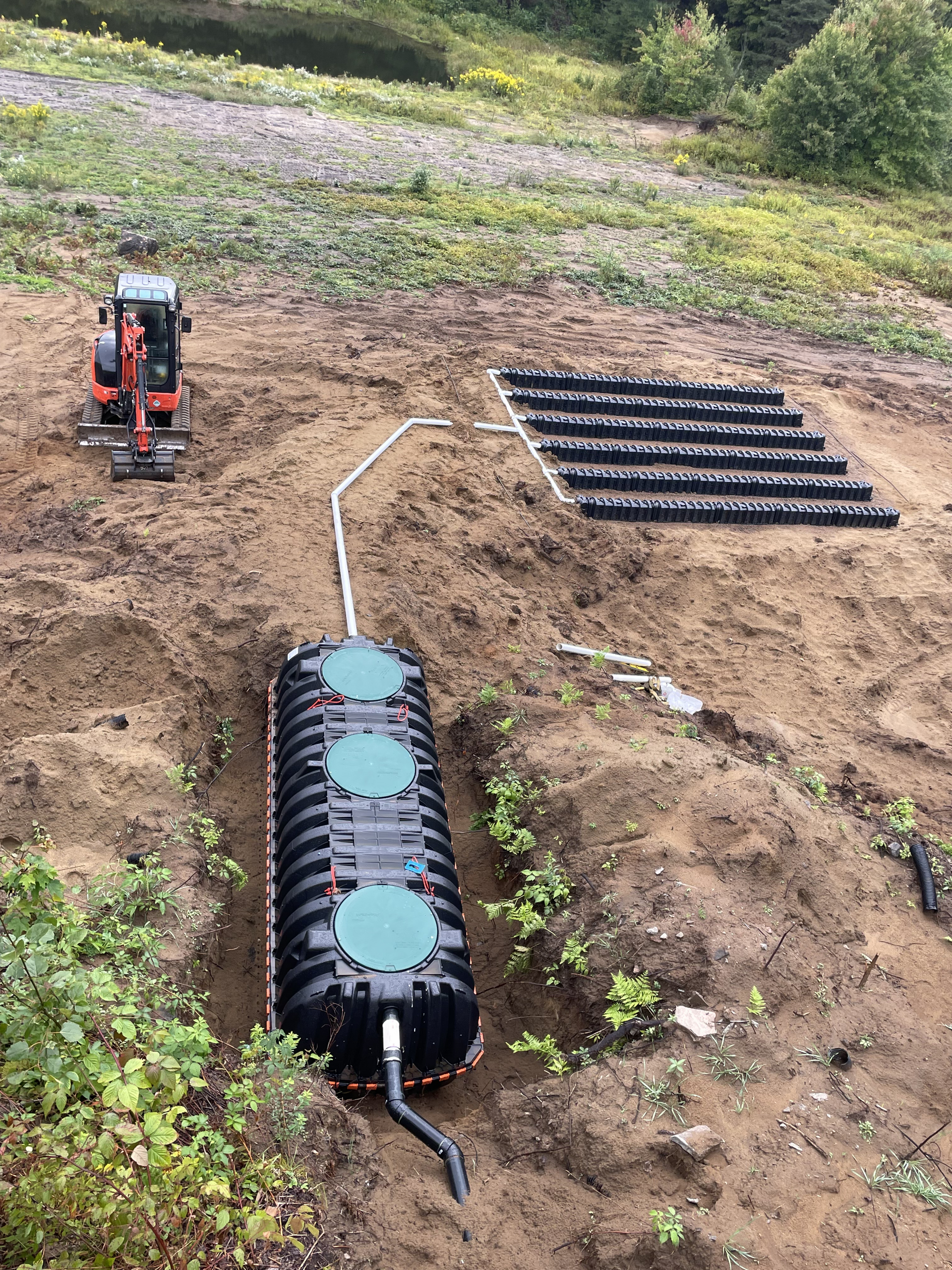
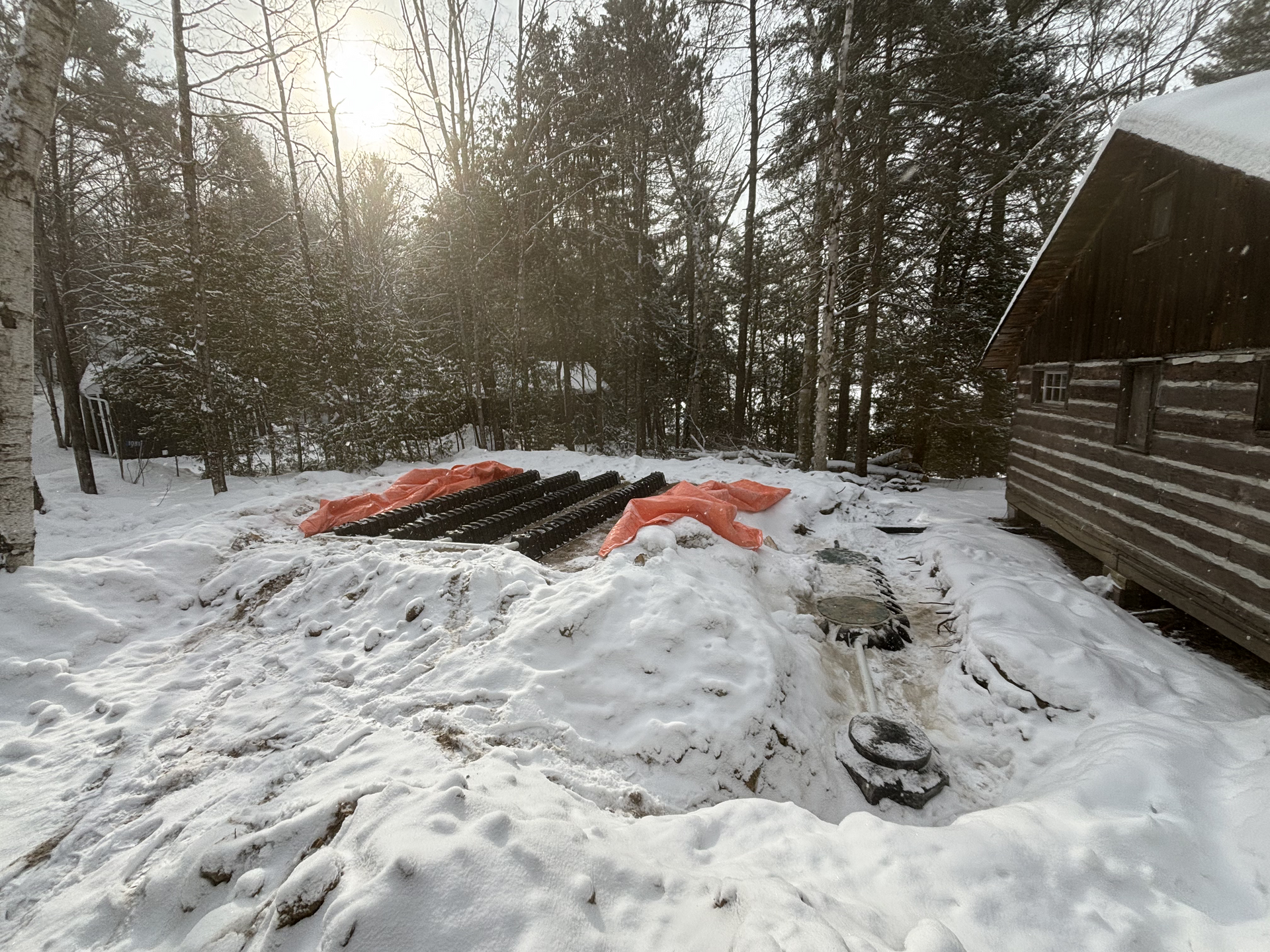
Septic System Site Preparation
Proper groundwork is essential for a successful septic system. Our professional excavation services ensure accurate site preparation for safe and efficient installation.
Frequently Asked Questions
What is a leaching bed?
A leaching bed, sometimes called a drain field, is the part of a septic system where wastewater is filtered back into the ground. After leaving the septic tank, the liquid flows through perforated pipes laid in gravel or soil trenches. As the water slowly seeps into the surrounding soil, natural processes remove bacteria, viruses, and other contaminants. A properly designed leaching bed is essential for ensuring your system works efficiently and protects the environment.
How does a conventional septic system work?
A conventional septic system works by separating and treating wastewater in two main stages. First, all wastewater from your home flows into the septic tank, where solids settle at the bottom and oils rise to the top. The partially treated liquid then moves into the leaching bed, where it is evenly distributed into the soil. The soil acts as a natural filter, removing harmful substances before the water safely returns to the groundwater system. When properly installed and maintained, this process is both effective and environmentally responsible.
What treatment occurs in the septic tank?
Inside the septic tank, wastewater undergoes a natural separation and breakdown process. Heavier solids sink to the bottom, forming sludge, while lighter materials like grease and oils float to the top. In the middle layer, liquid wastewater contains smaller particles that continue to break down with the help of naturally occurring bacteria. This process reduces the amount of solid waste and prepares the liquid for further treatment in the leaching bed. Regular pumping is still necessary to remove accumulated sludge and keep the system functioning properly.
Can I do anything to improve treatment in my system?
Yes, there are several simple steps homeowners can take to support the effectiveness of their septic system. Being mindful of what goes down your drains is one of the most important—avoid flushing non-biodegradable items, grease, or harsh chemicals that can disrupt the natural bacteria inside the tank. Conserving water also helps prevent overloading the system. Routine maintenance, including scheduled pumping and inspections, plays a key role in long-term performance. While there are additives marketed for septic systems, most properly functioning systems don’t require them if they’re used correctly and maintained regularly.
What is an alternative treatment system?
An alternative treatment system is designed for properties where a conventional septic system may not be suitable due to soil conditions, space limitations, or environmental concerns. These systems use additional technology such as aerobic treatment units, sand filters, or specialized media to further treat wastewater before it enters the soil. They are often required in areas with poor drainage or high water tables. While they can be more complex, they provide an effective solution when standard systems aren’t an option.
C L I E N T
S A T I S F A C T I O N
Don't just Take our Word for It

Jennie Ciccolini

David Carrothers

Sean Roberts

Jane Isbister
when we have needed someone with the skills and willingness to tackle the jobs on our property. We have found Brett to be reliable, honest and completes his commitments as promised.
John Heginbottom
Rita C
Peter Nicholson
John Woermke