How to Choose a Demolition Contractor: 12 Questions to Ask Before You Sign
Demolition quotes are difficult to compare because contractors include wildly different things. The cheap ones usually exclude disposal, the foundation, or the backfill. Before you sign anything in Ontario, confirm the contractor is WSIB compliant and insured, establish who is pulling the permit, and find out whether a designated substance survey has been done — that last one is a legal obligation that falls on you as the property owner, not on the contractor.
Before hiring a demolition contractor in Ontario, verify WSIB clearance and liability insurance, confirm who obtains the demolition permit, and establish whether a designated substance survey has been completed. Then pin down exactly what the quote includes: foundation removal, disposal, backfill, and grading are the items most often left out of a low bid.
QUICK ANSWER
Ask for the WSIB clearance certificate and the insurance certificate first — a contractor who hesitates on either has answered most of your other questions. Then get the scope in writing, right down to who hauls the debris away.
Key Takeaways
- WSIB clearance and liability insurance are verifiable in minutes. Always verify them.
- Identifying hazardous materials before demolition is the owner's legal duty in Ontario.
- A low quote usually means disposal, foundation, or backfill has been excluded.
- Utility locates and hydro disconnection must happen before any machine arrives.
Tearing down an old cottage, a collapsing garage, or a boathouse that has reached the end of its life sounds simple enough. Then three quotes arrive, they are thousands of dollars apart, and none of them describes quite the same job.
The gap is almost never about the machine hours. It is about what happens to the foundation, where the material goes, and who is responsible when something unexpected turns up in the walls. These twelve questions sort that out before you sign. Whether you hire us or another of the Haliburton contractors working in the county, ask all of them.
Two Things That Are Legally Yours, Not the Contractor's
Start here, because both surprise people.
First, under Ontario's occupational health and safety legislation, the property owner is responsible for determining whether designated substances — asbestos, lead, silica, mercury and others — are present before a demolition or renovation project begins, and for providing that information to anyone bidding on the work. Buildings in this area from the 1980s and earlier frequently contain asbestos in insulation, floor tile, and pipe wrap. A contractor who tells you not to worry about it is not doing you a favour.
Second, demolition requires a permit from your municipality under Ontario's Building Code framework. In Haliburton County that means Minden Hills, Dysart et al, Algonquin Highlands, or Highlands East depending on where the property sits. A contractor can apply on your behalf, but the obligation attaches to the property.
Credentials and Coverage
- Are you WSIB registered, and can I see a current clearance certificate? A clearance certificate confirms the contractor's account is in good standing. Without it, you can be exposed if someone is injured on your property. Certificates can be verified directly through the WSIB.
- What liability insurance do you carry, and may I see the certificate? Ask for the certificate itself, not a verbal assurance, and check that the coverage amount is sensible relative to what is standing next to the building coming down.
- How long have you been doing demolition specifically? Excavating and demolition overlap but are not the same trade. Ask for two or three local jobs of similar scope you could look at or ask about.
Site and Safety
- Has a designated substance survey been done, and who arranges it? If the answer is a blank look, that is your answer about the contractor.
- What happens if asbestos or other hazardous material is found once work starts? There should be a defined procedure and a stated cost implication, agreed before the first wall comes down rather than negotiated mid-job.
- Who arranges utility locates? Locating buried infrastructure through Ontario One Call is required before excavation, and it is free. On rural and waterfront lots there may also be private lines — septic, propane, well, hydro to an outbuilding — that public locates will not mark.
- Who disconnects hydro, propane, water, and any other service? These have to be capped or removed by the appropriate parties before demolition, and arranging them takes lead time. Establish who is making those calls.
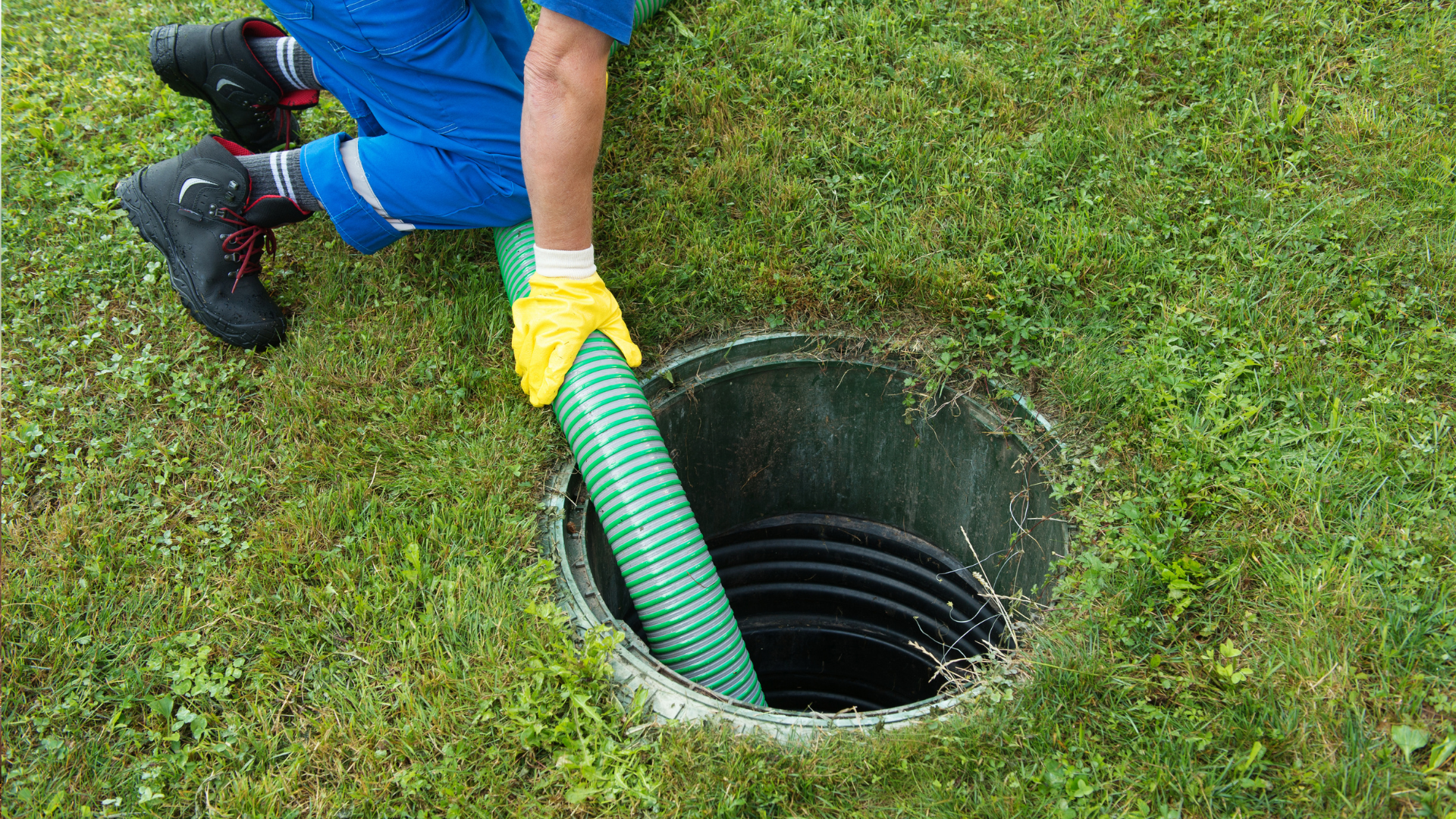
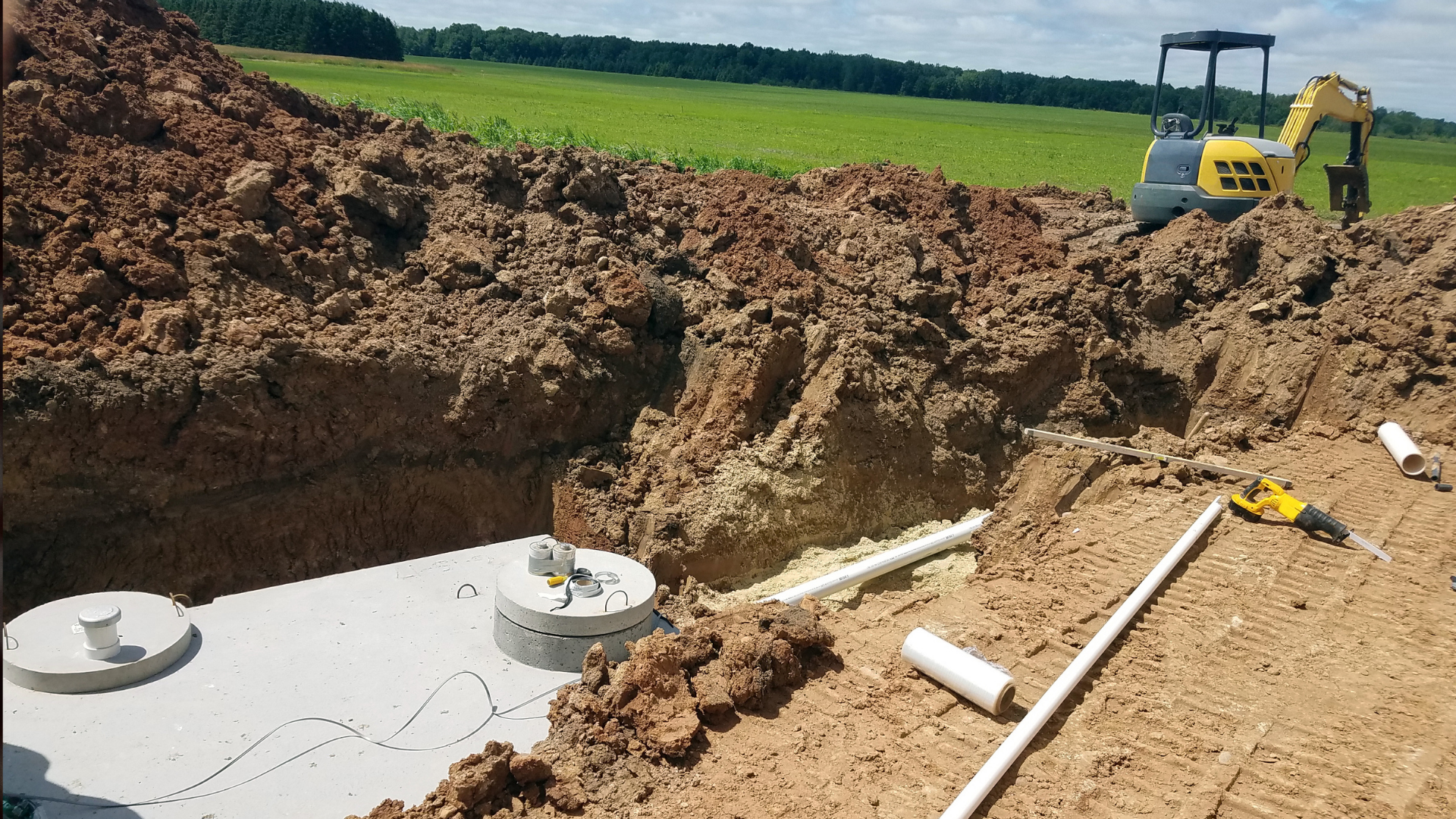
- What happens to the septic system and the well? An abandoned septic tank cannot simply be left in the ground, and an unused well has its own decommissioning requirements. On older rural properties there is sometimes a second, forgotten system nobody knew about.
Scope and Cost
- What exactly is included? Get it itemized: the structure, the foundation and slab, the footings, backfill, grading, and final cleanup. Foundation removal is the single most common exclusion in a low quote.
- Where is the material going, and is disposal in the price? Tipping fees are a real cost. Ask whether the quote assumes a certain volume and what happens if the actual volume is higher.
- What could change the price once you start? Honest answers exist — unexpected hazardous material, buried fill, rock, a foundation deeper than expected. A contractor who says nothing could possibly change is either inexperienced or planning to have that conversation later.
The Contract
- Will I have it in writing, with scope, payment schedule, and a completion window? Ontario consumer protection rules require written contracts for most residential work above a modest threshold, and a deposit-heavy payment schedule is a warning sign in any trade. Progress payments tied to milestones are normal; most of the money up front is not.
Red Flags
- Reluctance to provide WSIB or insurance certificates
- A quote on a single line with no breakdown
- Pressure to decide immediately, or a price that expires today
- Cash-only, or a large deposit before anything happens on site
- No mention of permits or hazardous materials at all
- An address that is only a mobile number and an email
What a Proper Quote Looks Like
| Line item | Why it needs to be stated |
|---|---|
| Structure removal | Defines what is actually coming down |
| Foundation, slab, footings | Most common exclusion in a low bid |
| Hazardous material handling | Or a clear statement that none was found |
| Disposal and tipping fees | Real cost, frequently omitted |
| Backfill and grading | Determines whether you are left with a hole |
| Permits | States who applies and who pays |
| Utility disconnection | States who arranges each service |
| Payment schedule | Protects both sides |
Construction costs in Canada have kept climbing through 2026 — Statistics Canada recorded residential building construction costs up 0.5% in the second quarter of 2026, after a 0.7% rise in the first, in its Building Construction Price Index. Quotes that sit well below the others usually reflect a narrower scope rather than a better deal.
Frequently Asked Questions
Do I need a permit to demolish a building in Ontario?
In most cases yes. Demolition permits are issued by your local municipality under Ontario's Building Code framework, and requirements differ slightly between townships. Contact your municipal building department early, since permit timing often determines when work can actually start.
Who is responsible for checking for asbestos before demolition?
The property owner. Ontario health and safety legislation requires owners to determine whether designated substances such as asbestos are present before a project begins, and to share that information with contractors bidding on the work. Buildings from the 1980s and earlier are the most likely to contain it.
Why are demolition quotes so different from each other?
Because they cover different scopes. Foundation removal, disposal and tipping fees, backfill, and grading are the items most often excluded from a low quote. Ask every contractor to itemize the same list so you are comparing the same job.
What is a WSIB clearance certificate and why does it matter?
It confirms a contractor's workplace insurance account is in good standing. If a contractor is not compliant and someone is injured on your property, you may be exposed. Certificates are straightforward to request and can be verified directly with the WSIB.
What happens to a septic system when a building is demolished?
It cannot be left as is. Abandoned tanks generally need to be pumped and either removed or filled to prevent collapse, and unused wells have their own decommissioning requirements. Confirm who is handling this and that it is written into the quote.
How long does a residential demolition take?
The machine work on a typical cottage or outbuilding is often a matter of days. The timeline is usually set by everything around it — permits, utility disconnections, locates, and any hazardous material handling — which is why starting the paperwork early matters more than the demolition itself.
About Country Contracting
Country Contracting and Construction has served Haliburton County for over a decade from our base on Highway 35 in Minden. We are a registered business, fully insured, and WSIB compliant, and we work across demolition, excavating, septic installation, metal roofing, siding, decks, and lot clearing.
We serve Minden, Haliburton, Dorset, Carnarvon, and the surrounding lakes and townships.
Get a Quote You Can Actually Compare
A written, itemized quote costs you nothing and makes every other bid easier to read. If you are planning a teardown this season, see our
demolition services page, or call 705-457-6411 for a free quote.
Disclaimer: This content is for general informational purposes only and does not constitute legal, safety, or regulatory advice. Demolition permit, hazardous-material, utility, and site requirements may vary by property and municipality. Always confirm current requirements with your local building department, WSIB, and qualified professionals before beginning work.