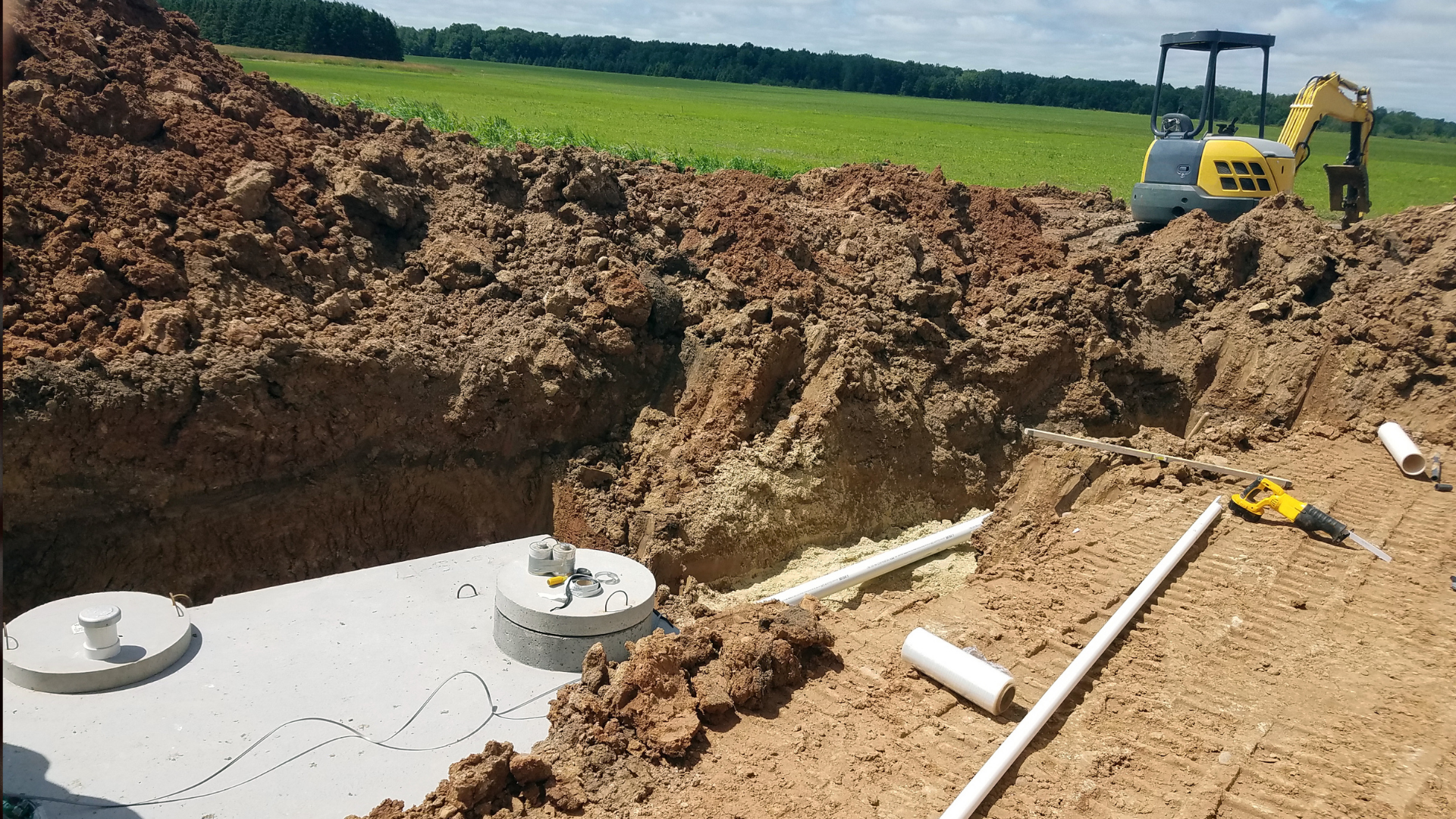
How Often Should You Pump Your Septic Tank? Fall Septic Care for Cottage Owners
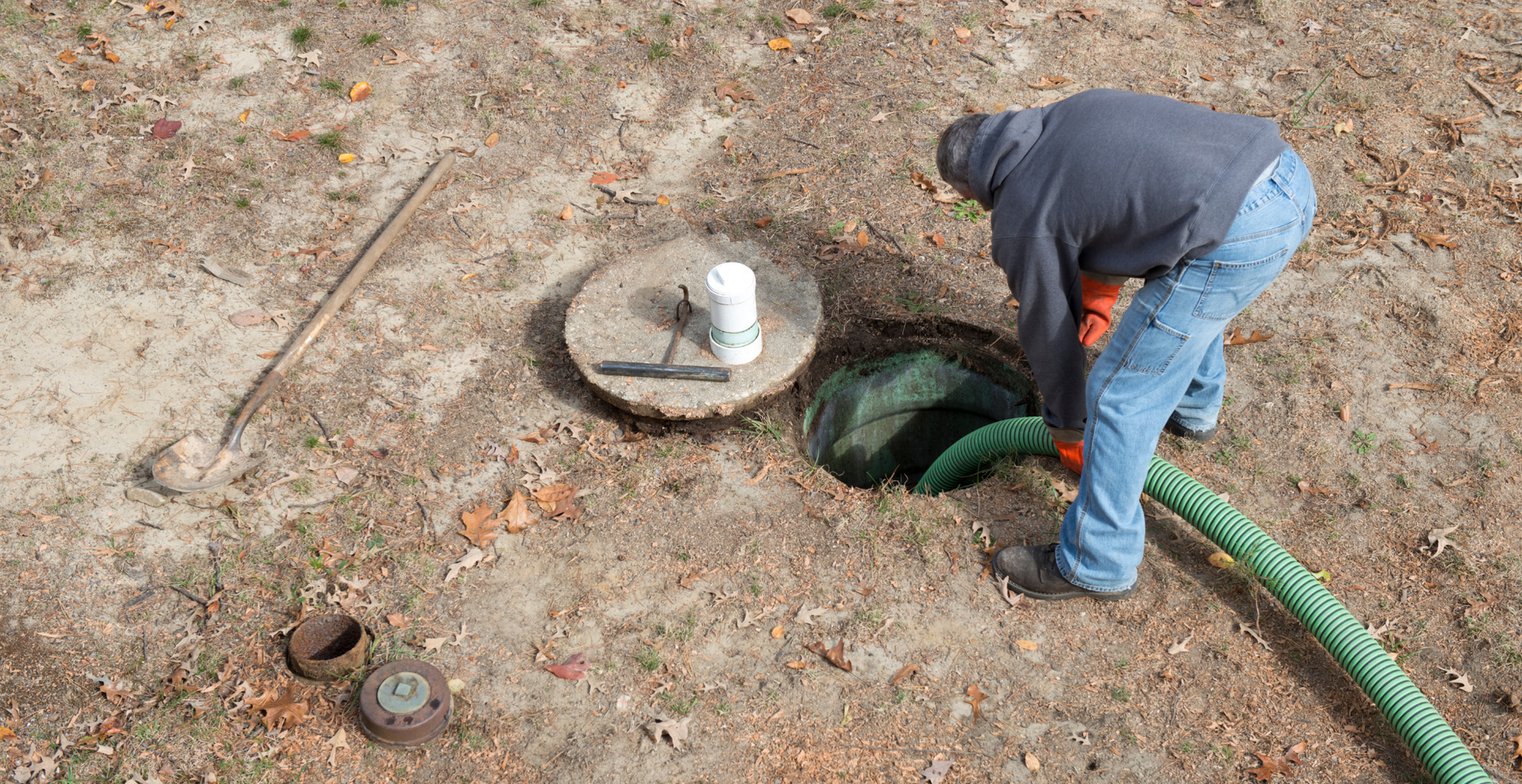
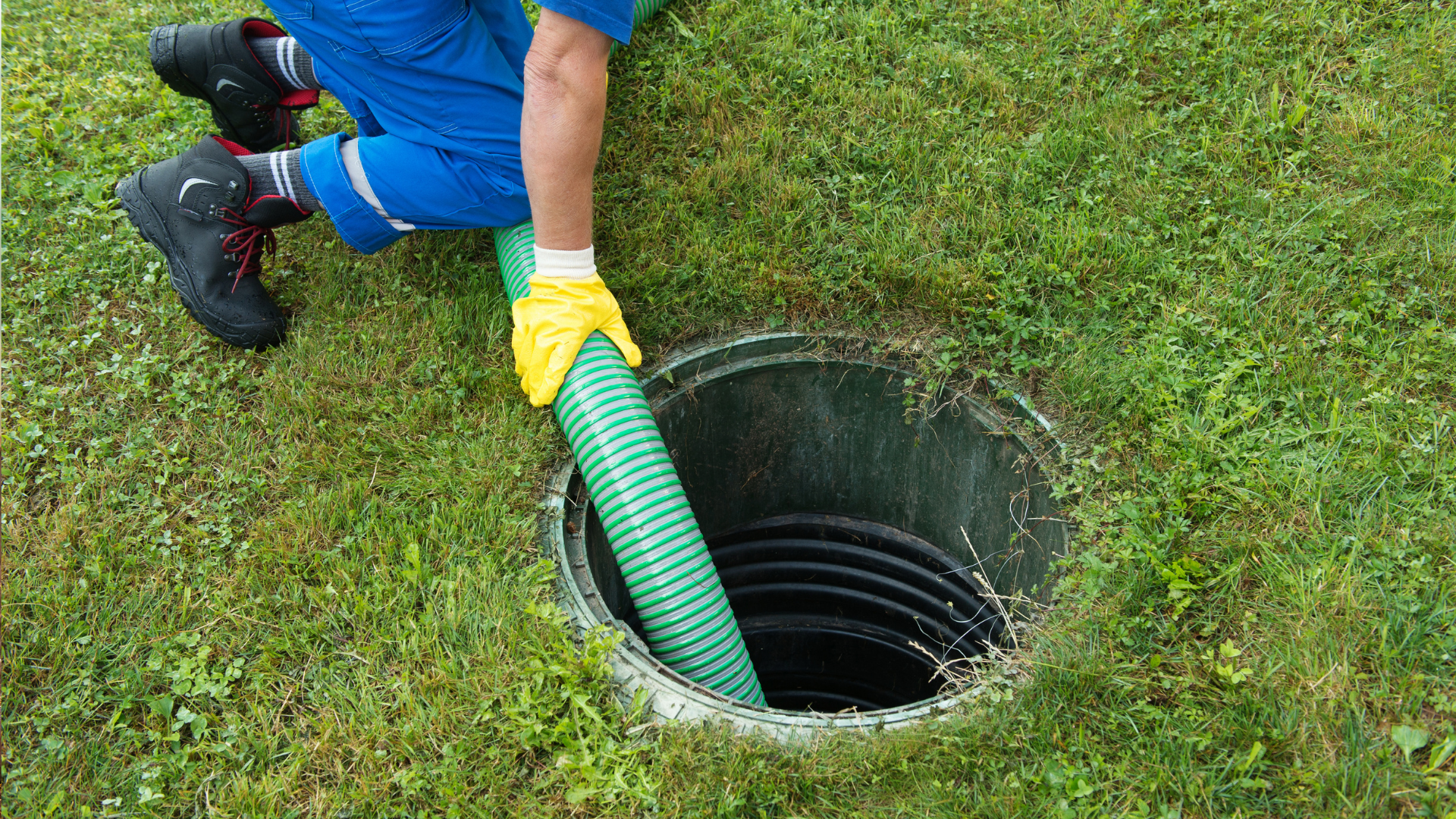
Most septic tanks need pumping every three to five years, and a seasonal cottage often sits toward the longer end while a busy rental sits toward the shorter one. The tank's actual sludge level is what decides it, so measure instead of guessing.
Fall is a good time to pump, as long as you don't empty the tank the same day you close the cottage on a site with a high water table.
Most septic tanks should be pumped every three to five years, though a cottage used only in summer may go longer, and a busy rental may need it sooner. The real test is the tank itself: pump when sludge and scum fill about a quarter of the liquid depth, or when either layer gets close to the outlet.
QUICK ANSWER
Use the calendar as a reminder and the sludge level as the decision. If nobody has measured your tank in three years, that's your answer.
Key Takeaways
- The common benchmark is every three to five years, with an inspection at least every three years.
- Pump when sludge and scum take up about 25% of the tank's liquid depth.
- Don't pump a tank empty on closing day if your site has high spring groundwater.
- Algonquin Highlands, Dysart et al. and Minden Hills all run septic inspection programs.
- Keep snowmobiles, plows, and vehicles off the tank and leaching bed all winter.
Every fall, we get the same call from cottage owners closing up: "When was the septic last pumped?" Often nobody knows, because the previous owner never said and the receipt is long gone.
That's worth fixing before winter. A tank that's never been checked is the most common reason we end up quoting septic system installation on a bed that could have lasted another decade.
How Often Does a Septic Tank Need to Be Pumped?
The usual guideline is every three to five years for a household tank, with a professional inspection at least every three years, based on U.S. Environmental Protection Agency guidance. The right interval depends on your tank's size, how many people use it, and how often.
The EPA's septic guidance gives a clear rule for when it's time. Pump when the sludge and scum together take up more than 25% of the liquid depth, or when the top of the sludge is within 12 inches of the outlet.
Systems with pumps, float switches or other mechanical parts need more attention. The EPA suggests checking those once a year.
Do Cottages Need Pumping Less Often Than Year-Round Homes?
Sometimes, but not automatically: a cottage used a few weekends each summer builds up sludge more slowly than a full-time home, so it may stretch past five years. A cottage that's rented every week, hosts big family weekends, or has been winterized for year-round use can fill as fast as a house or faster.
Here's a rough guide to where different cottages tend to land:
| How the cottage is used | Rough starting point | Why |
|---|---|---|
| Weekends, May to Thanksgiving | 4–6 years, confirmed by measuring | Fewer days of use, less sludge |
| Full summer with frequent guests | 3–4 years | Peak loads push solids through faster |
| Weekly short-term rental | 2–3 years | Heavy, unpredictable use by guests |
| Year-round or converted cottage | 3–5 years, like a house | Full household flow every day |
These ranges are a starting point, not a rule. A measured sludge level beats any table, and a pumper can measure it in a few minutes.
When in the Fall Should You Pump a Cottage Septic Tank?
If your tank is due, pump it in late summer or early fall while the cottage is still in use, rather than on the day you close up. An emptied tank can be pushed upward by high spring groundwater, especially on low or wet sites, so keep using the cottage afterward to let it refill.
That advice comes from on-site sewage inspectors quoted by Cottage Life, including an Ontario Onsite Wastewater Association board member. Sites on sand and higher ground are at much lower risk.
If you're reading this with the cottage closing next weekend and the tank overdue, call anyway. On many properties a fall pump-out is still the right move, and on a few it's better to wait for spring after the ground settles.
What Else Should Cottage Owners Do Before Winter?
Before closing, mark the tank and leaching bed so nobody drives or plows over them, protect toilets and traps from freezing, and check that any pump, alarm and heat trace still work. Snow is good insulation for a septic bed, so leave it undisturbed rather than packing it down or clearing it away.
Here's the fall closing checklist we give cottage owners around Minden and Haliburton:
- Stake the tank lids and the bed. Tall stakes help snowplow operators and snowmobilers stay off them.
- Keep vehicles off. Compacted snow and soil over the bed drive frost deeper and can crush pipes.
- Fix running toilets and dripping taps. A slow trickle can overload the bed or freeze in the lines.
- Protect fixtures if you drain the plumbing. A small amount of RV antifreeze in toilet bowls and traps keeps them from cracking.
- Test pumps and alarms. A dosing pump that fails in January won't be noticed until spring.
- Keep downspouts and runoff away from the bed. Extra water saturates the soil before freeze-up.
If your system uses a pump chamber or advanced treatment unit, the manufacturer may have its own winter steps. Follow those first.
What Are Haliburton County's Septic Inspection Programs?
Several Haliburton County townships now inspect septic systems on a rotating schedule: Algonquin Highlands runs inspections every year from June to October on roughly a five-year cycle, Minden Hills started its re-inspection program in May 2026, and Dysart et al has its own maintenance inspection program. The local health unit no longer handles septic systems here.
The Haliburton, Kawartha, Pine Ridge District Health Unit now refers septic permits and inspections to each township's building department. What each program asks of owners differs:
| Township | Program | What owners need to know |
|---|---|---|
| Algonquin Highlands | Sewage System Maintenance Inspection Program | Uncover tank lids before your date; no pump-out required beforehand; $150 fee if a re-inspection is needed |
| Minden Hills | Septic Re-Inspection Program, started May 2026 | Annual zone rotation, May to October; notice by mail; tank and bed must be accessible |
| Dysart et al | Septic Maintenance Inspection Program | Mandatory pump-outs were dropped in 2020, but inspectors can still order one |
Sources: Algonquin Highlands, Minden Hills, and the Haliburton Echo on Dysart et al.
Highlands East owners should check directly with their township office. A recent pump-out receipt helps in every township because it answers the first question any inspector asks.
What Happens If You Leave It Too Long?
When a tank goes too long between pump-outs, sludge builds up until solids flow out with the liquid, clog the leaching bed, and leave wastewater backing up or surfacing in the yard. Pumping costs a few hundred dollars; a failed bed usually means designing and building a new one.
The warning signs show up slowly: drains that empty sluggishly, gurgling pipes, odours near the bed, or a patch of grass that's greener and spongier than the rest.
If you're seeing those, our guide to septic system installation in Minden and Haliburton County explains what a replacement involves.
The cheaper fix is catching it before it gets there.
Frequently Asked Questions
How often should a cottage septic tank be pumped?
Most septic tanks need pumping every three to five years, though a lightly used seasonal cottage may go longer, while a busy rental may need it every two or three years. Have the sludge level measured to know for sure, since actual use matters more than the calendar.
Should I pump my septic tank before closing the cottage for winter?
Pump in late summer or early fall while you're still using the cottage, not on closing day. An empty tank on a site with high spring groundwater can shift or float, but on sandy, well-drained sites the risk is low, so a fall pump-out is usually fine.
How do I know when my septic tank is full?
A pumper or inspector measures the sludge and scum layers, and the tank is due when those layers fill about 25% of the liquid depth or come close to the outlet. Slow drains and gurgling can be warning signs, but they often appear late.
Does Haliburton County require septic inspections?
Several townships do: Algonquin Highlands, Minden Hills and Dysart et al each run septic inspection programs on rotating schedules, and owners are notified by mail. Highlands East owners should check with their township, since septic permits and inspections are handled by each municipality.
Can I drive a snowmobile over my septic bed?
It's best not to, because snowmobiles, plows and vehicles compact the snow and soil over the bed, which lets frost go deeper and can damage pipes. Stake the bed and tank before winter so everyone knows where they are.
How much does it cost to pump a septic tank in Haliburton?
Pumping typically costs a few hundred dollars, depending on tank size, access and distance. That's far less than replacing a leaching bed, which is why regular pumping is the cheapest protection a septic system can get.
About Country Contracting
Country Contracting and Construction has served Haliburton County for over a decade from our base on Highway 35 in Minden, K0M 2K0. Owner Brett Hicks is a Haliburton native, and the company is registered, fully insured, and WSIB-compliant.
We install septic systems and handle excavating, demolition, metal roofing, siding, decks, and lot clearing across Minden, Haliburton, Dorset, Carnarvon, and the surrounding lakes.
Get Ahead of Your Septic Before Freeze-Up
Pumping on schedule is the cheapest way to protect a septic system, and most cottage owners remember in the fall. If you don't know when your tank was last pumped, find out before winter.
Need a Haliburton contractor for a septic problem or a new system? Call 705-457-6411 or contact us for a free quote.
Brett Hicks
ON-35, Minden, ON K0M 2K0, Canada
Phone: 705-457-6411
This article is general information, not engineering or regulatory advice. Septic requirements vary by property and township, so confirm details with your municipality and a qualified professional.