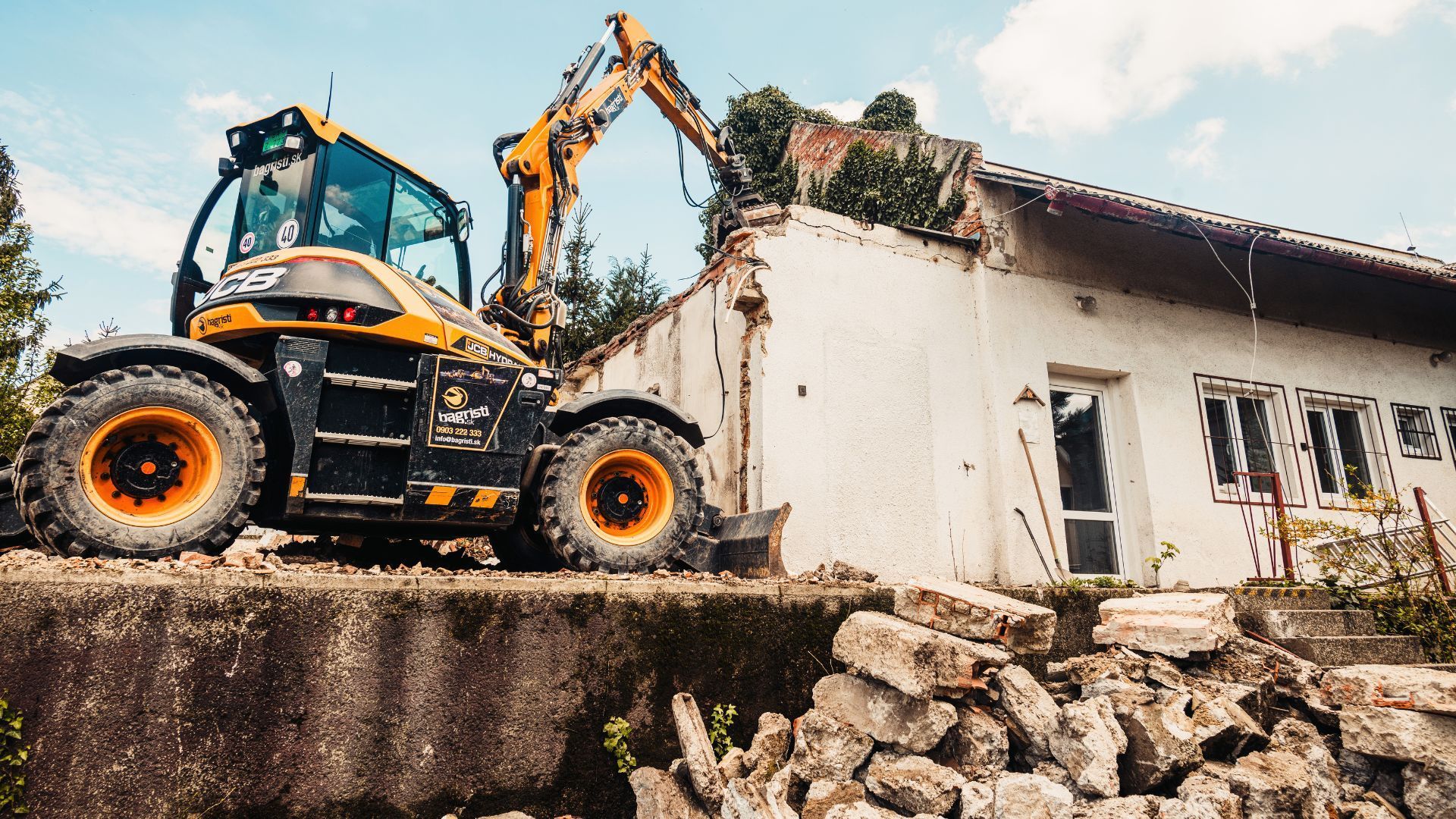
Why Winter is the Best Time to Plan Your 2026 Excavation & Septic Projects
Most Ontario homeowners view January as a time to retreat indoors and wait for the thaw. However, in the world of heavy construction, the "off-season" is actually the most strategic window for savvy property owners. If you wait until the first robin appears to call an excavation team, you’ve likely already missed the boat for a summer completion date.
At Country Contracting, we’ve seen that the difference between a seamless project and a stressful, muddy delay often comes down to the work done during the coldest months. Here is why the "January Freeze" is your secret weapon for a successful 2026 build.
Frozen Ground: Nature’s Concrete
There is a common misconception that excavation must wait for "soft" ground. In reality, the spring "mud season" is the most difficult time to move heavy machinery. When the ground is frozen solid, it acts as a stable, concrete-like platform for our excavators.
- Protect Your Topsoil: In the spring, heavy tracks can leave ruts three feet deep, destroying your property’s natural grading. In winter, we can move equipment with minimal soil compaction, preserving the integrity of your land.
- Precision Work: Utilizing specialized hydraulic rippers, we can achieve cleaner, more stable cuts in the earth. This is particularly beneficial for site preparation where a firm base is required for foundations.
Beating the "Permit Panic" of 2026
In Ontario, municipal permit offices typically see a 400% spike in applications between March and May. If you submit your septic system design or site plan in the spring, you are entering a massive administrative backlog.
By starting the septic system planning and engineering process in January, we can navigate the "back-and-forth" with local authorities while they have more bandwidth. Our goal for our clients is simple: have the permit in hand by March 1st. This ensures that the moment the half-load restrictions lift on local roads, our crews are ready to break ground while your neighbours are still waiting for a phone call back from the township.
Navigating the 2026 "Half-Load" Season
Every spring, Ontario municipalities implement Reduced Load Restrictions (typically March to May) to protect roads during the thaw. During this time, heavy equipment floats and gravel trucks are restricted to 5 tonnes per axle.
If you haven't planned your logistics by January, you may find your project "locked out" by road signs. By planning early, we can:
- Pre-Stage Materials: Move heavy septic tanks or drainage aggregates to your site before the restrictions hit.
- Prioritize Scheduling: Ensure your project is among the first to proceed once the roads are declared structurally sound.
Cost Certainty in a Changing Market
The construction industry in 2026 continues to face fluctuating costs for raw materials. Planning your project now allows you to:
- Lock in Quotes: Securing your contract in January often allows you to avoid seasonal price hikes that typically occur in Q2.
- Inventory Priority: High-demand items, such as concrete septic tanks and specialized drainage tiles, can be pre-ordered and reserved.
Better Site Visibility
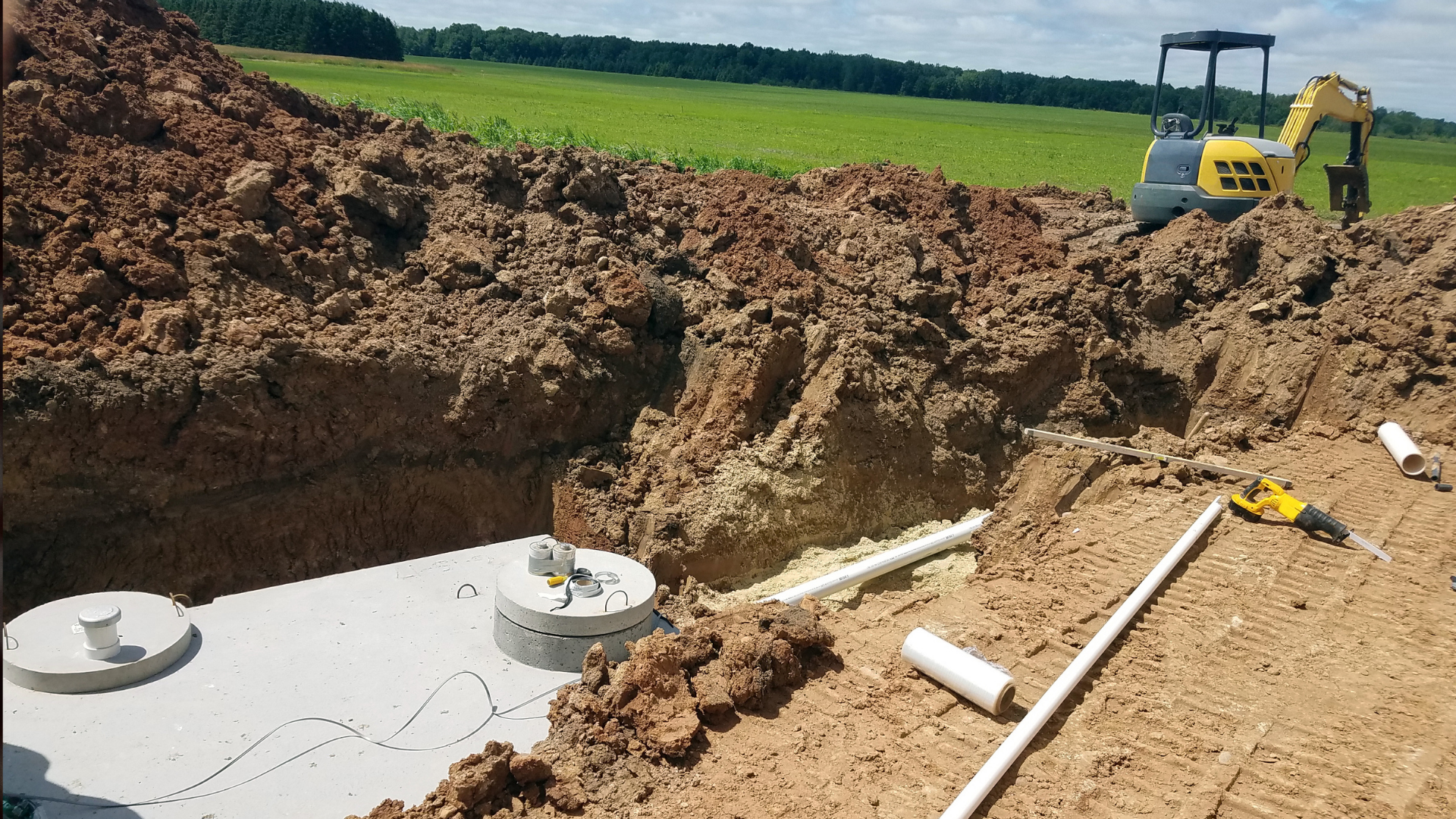
Without the lush foliage of summer or the standing water of spring, January offers the clearest visibility of your property’s "bones." Our team can more accurately assess natural drainage paths and topography, which is critical for the long-term health of a septic system installation.
Conclusion
Planning in January isn’t just about getting ahead; it’s about
eliminating the variables that cause projects to fail. By the time the snow melts, the logistics, permits, and materials for your project should already be set in stone. Don't let the "mud season" stall your dreams for another year.
FAQs: Winter Planning for Spring Projects
Can you really dig a septic system in the winter?
Yes. While it requires specialized equipment to break the frost, the stability of the frozen ground often makes the process cleaner and less damaging to your landscape than working in spring mud.
How long does it take to get a septic permit in Ontario in 2026?
While the Building Code mandates a 10-day response window, the actual approval process for complex rural sites can take 2 to 6 weeks depending on the municipality and the volume of applications.
What is the "Half-Load" season?
It is a period during the spring thaw when municipalities restrict the weight of vehicles on local roads to prevent damage to the roads. This effectively stops the delivery of heavy machinery and materials unless they are pre-staged on-site.
Take the First Step Today
Don't wait for the mud to arrive. Start your 2026 project with a team that knows how to navigate the Ontario winter.